

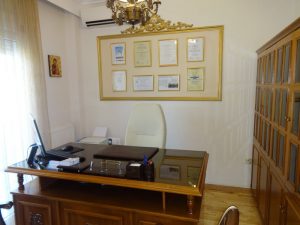
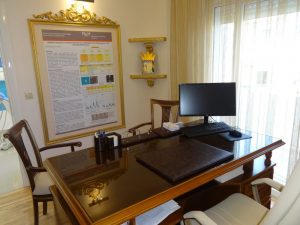
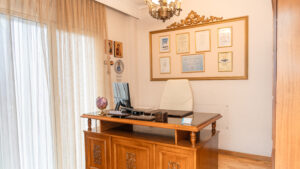
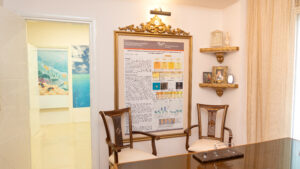





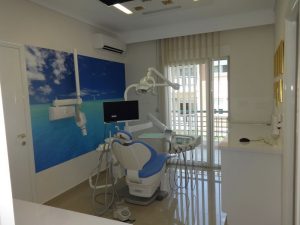
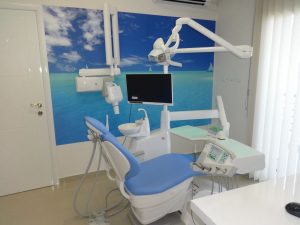
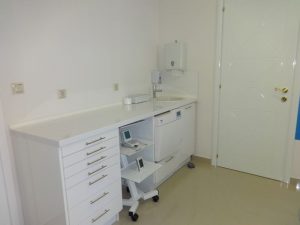
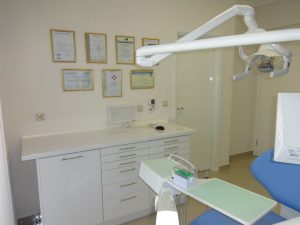
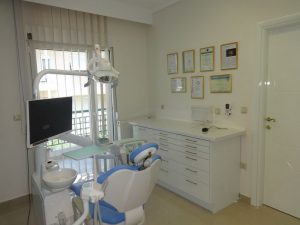
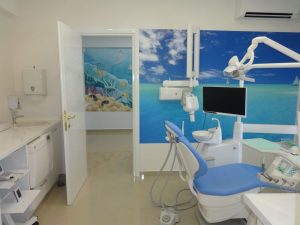
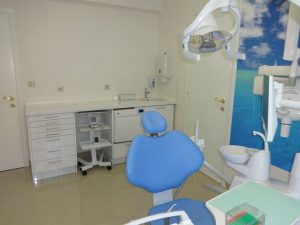
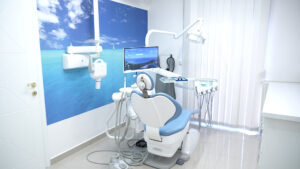
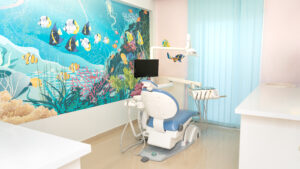
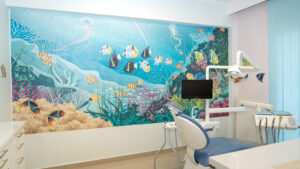
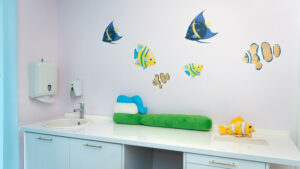
Dental practice equipment
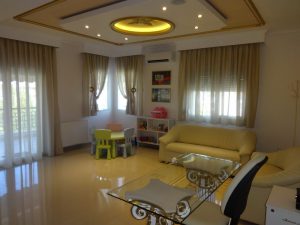
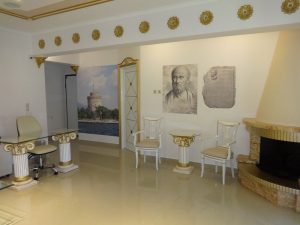
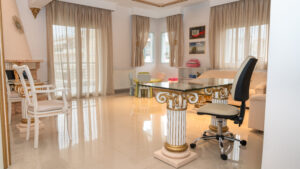
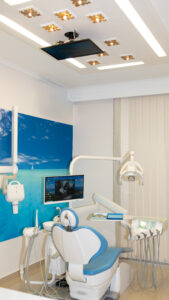
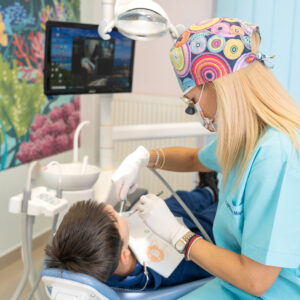
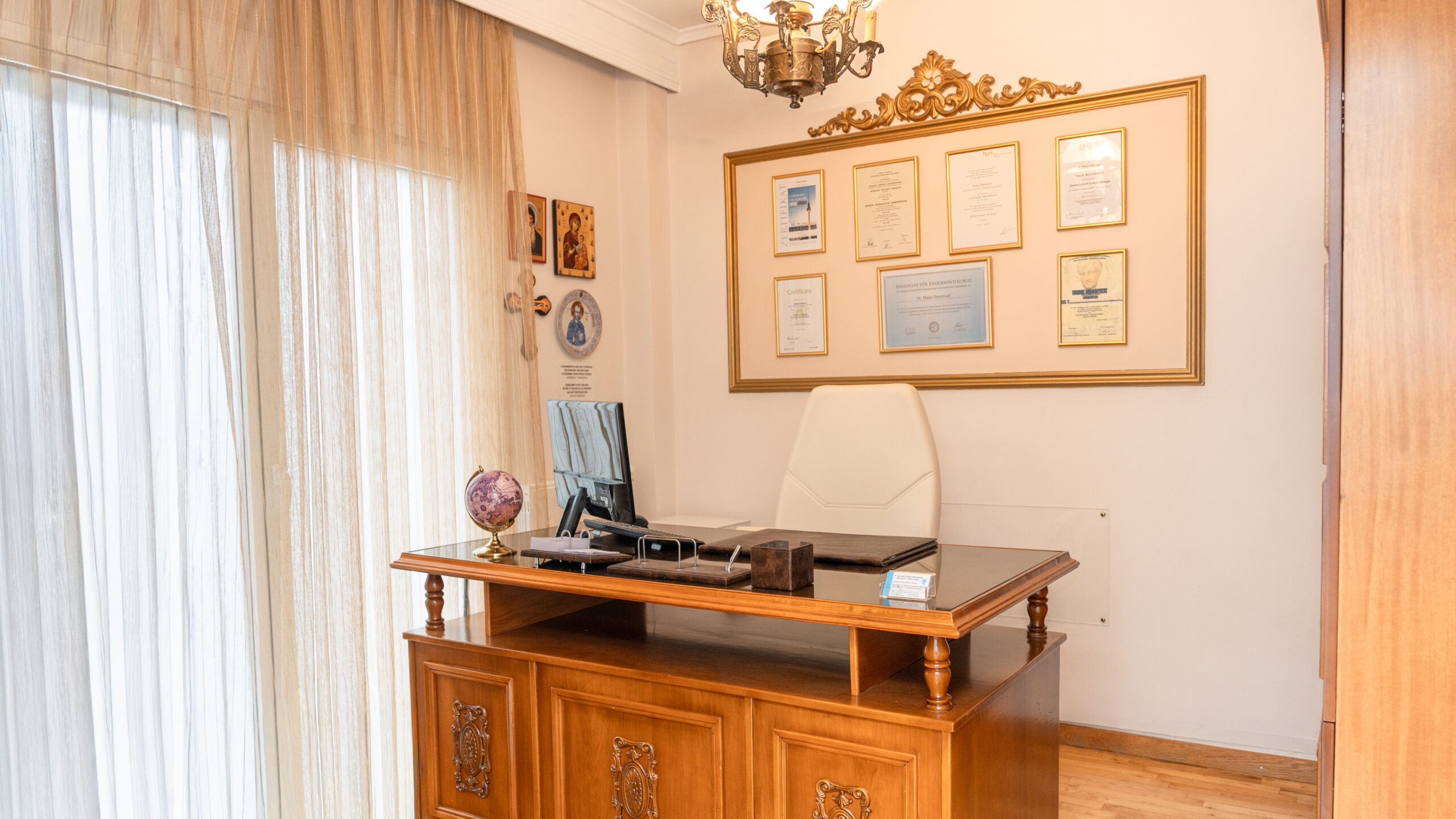
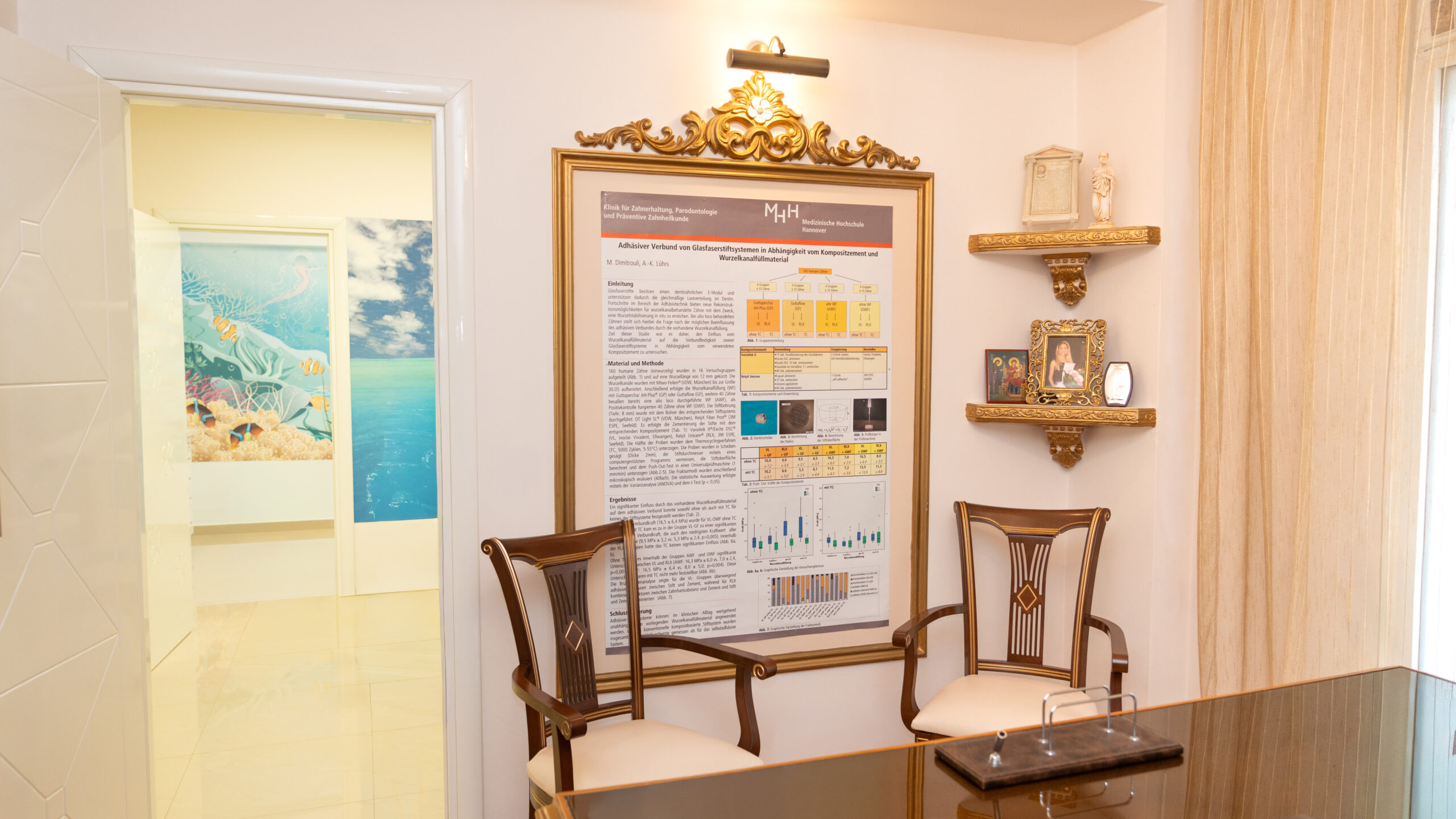
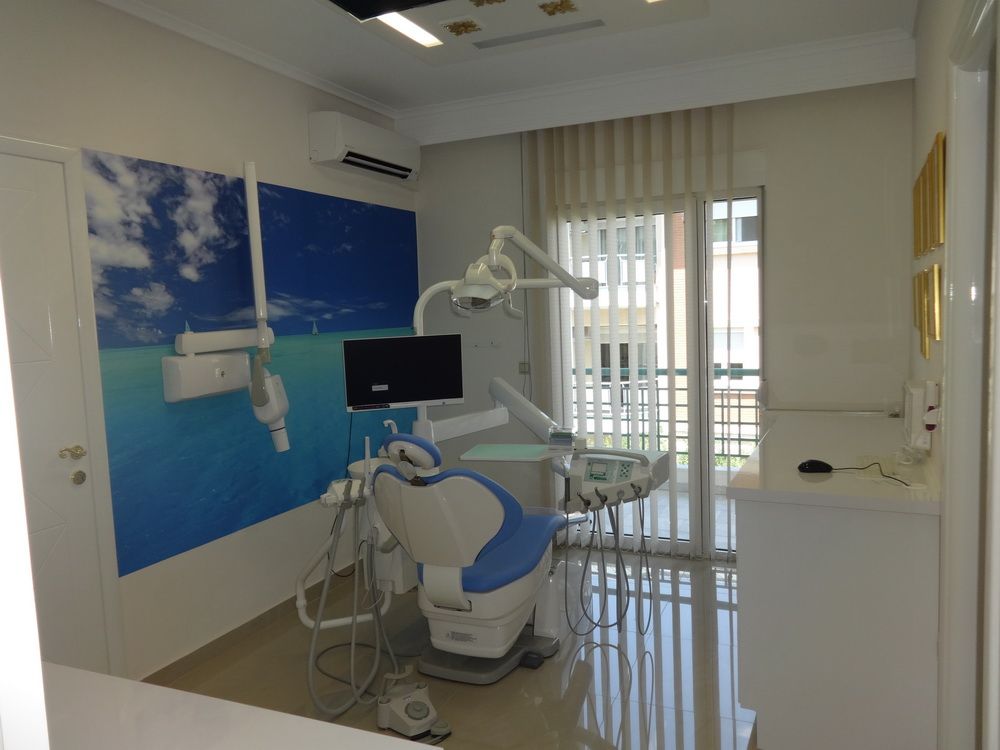
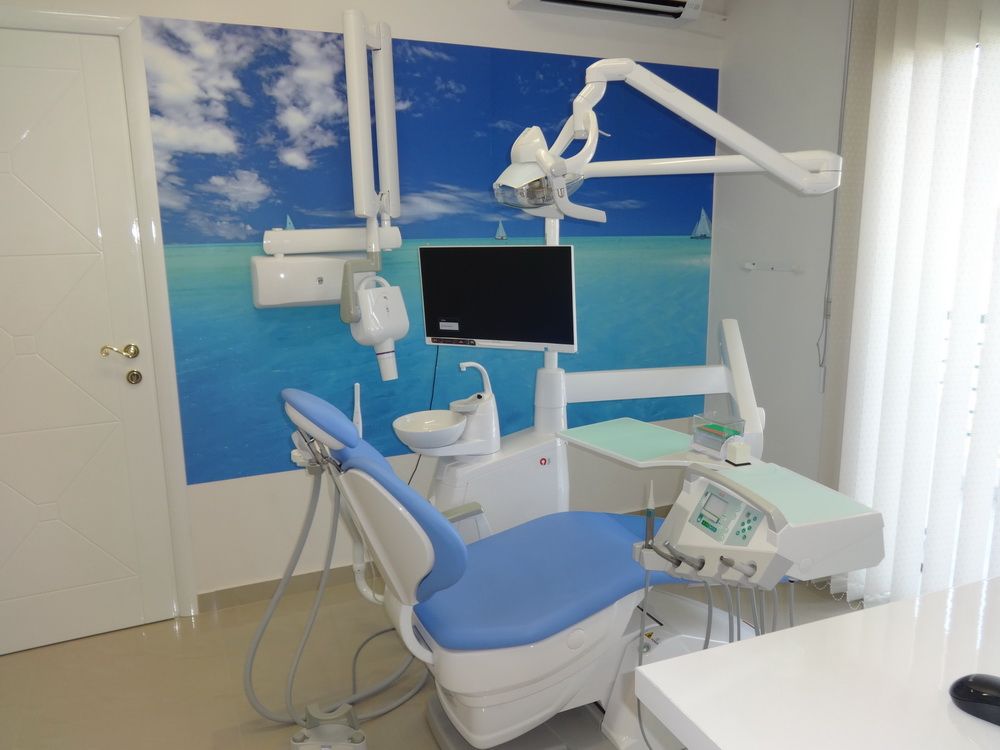
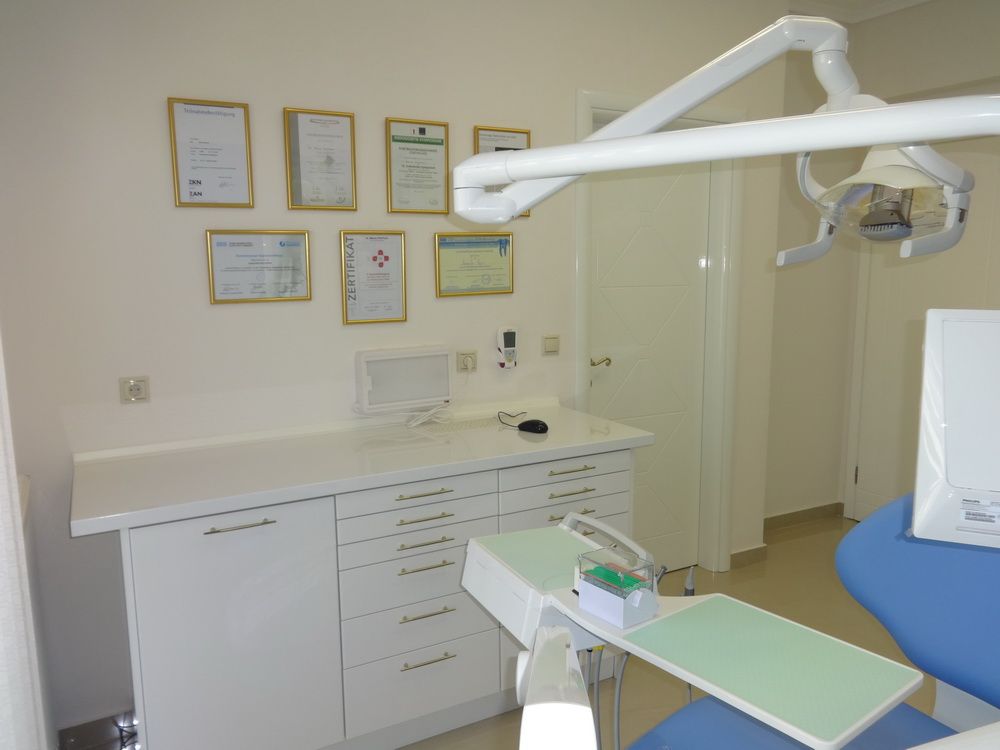
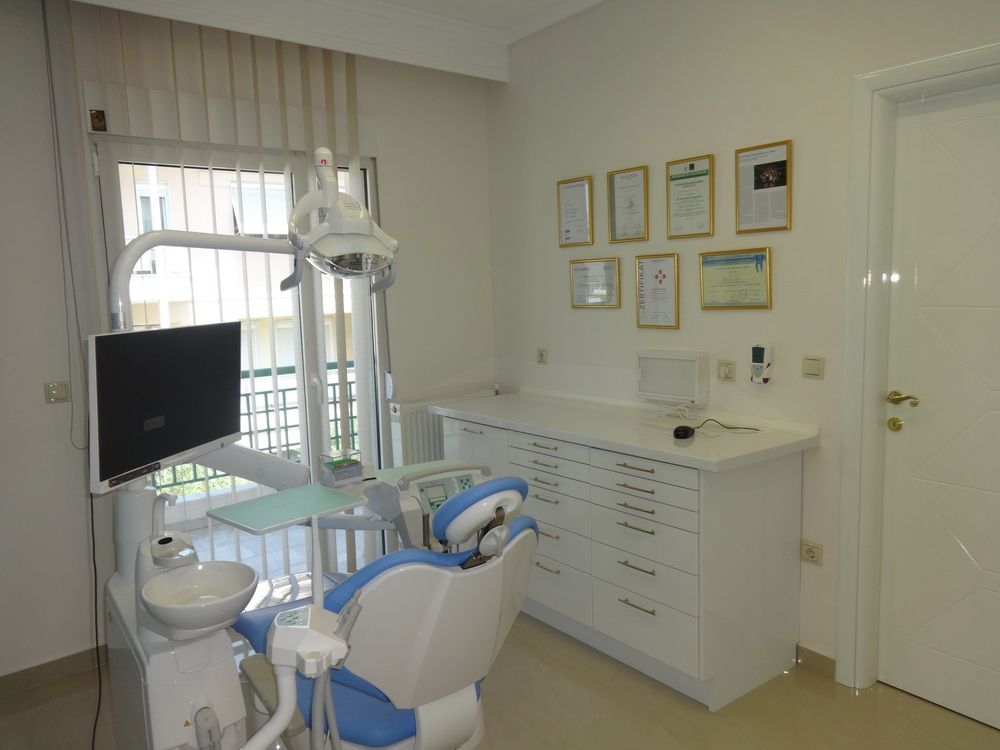
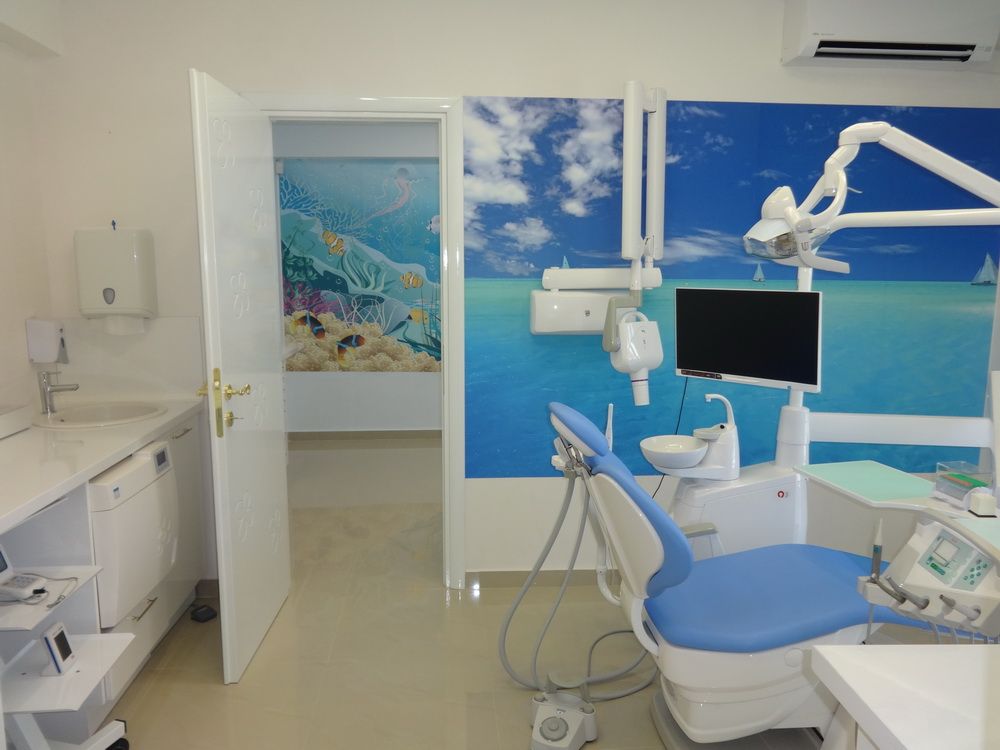
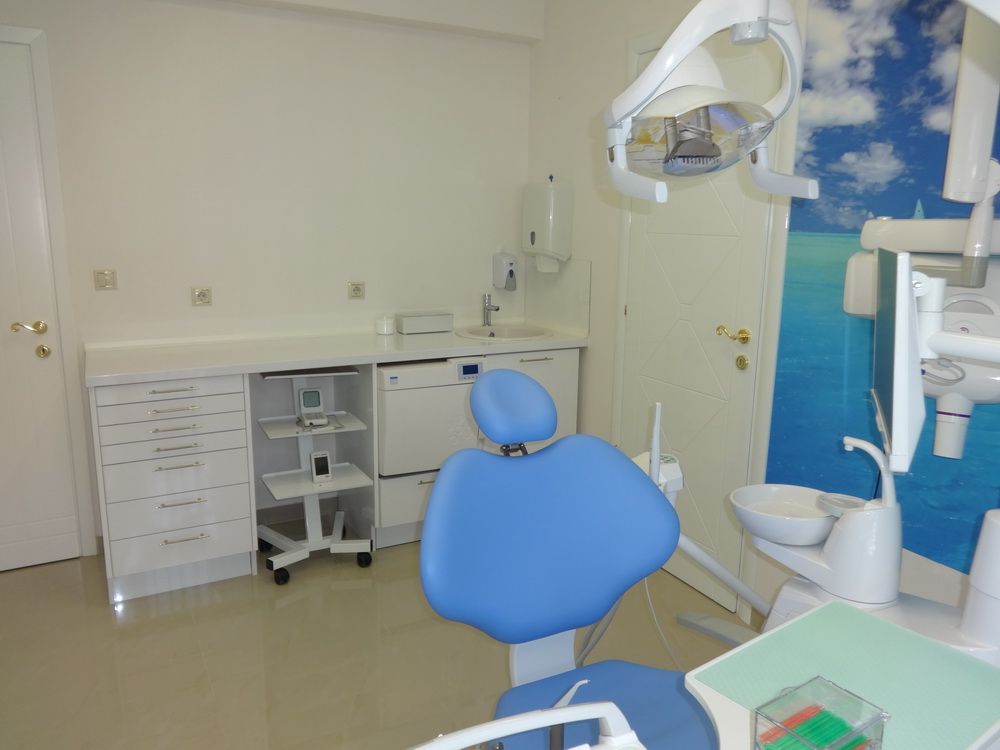
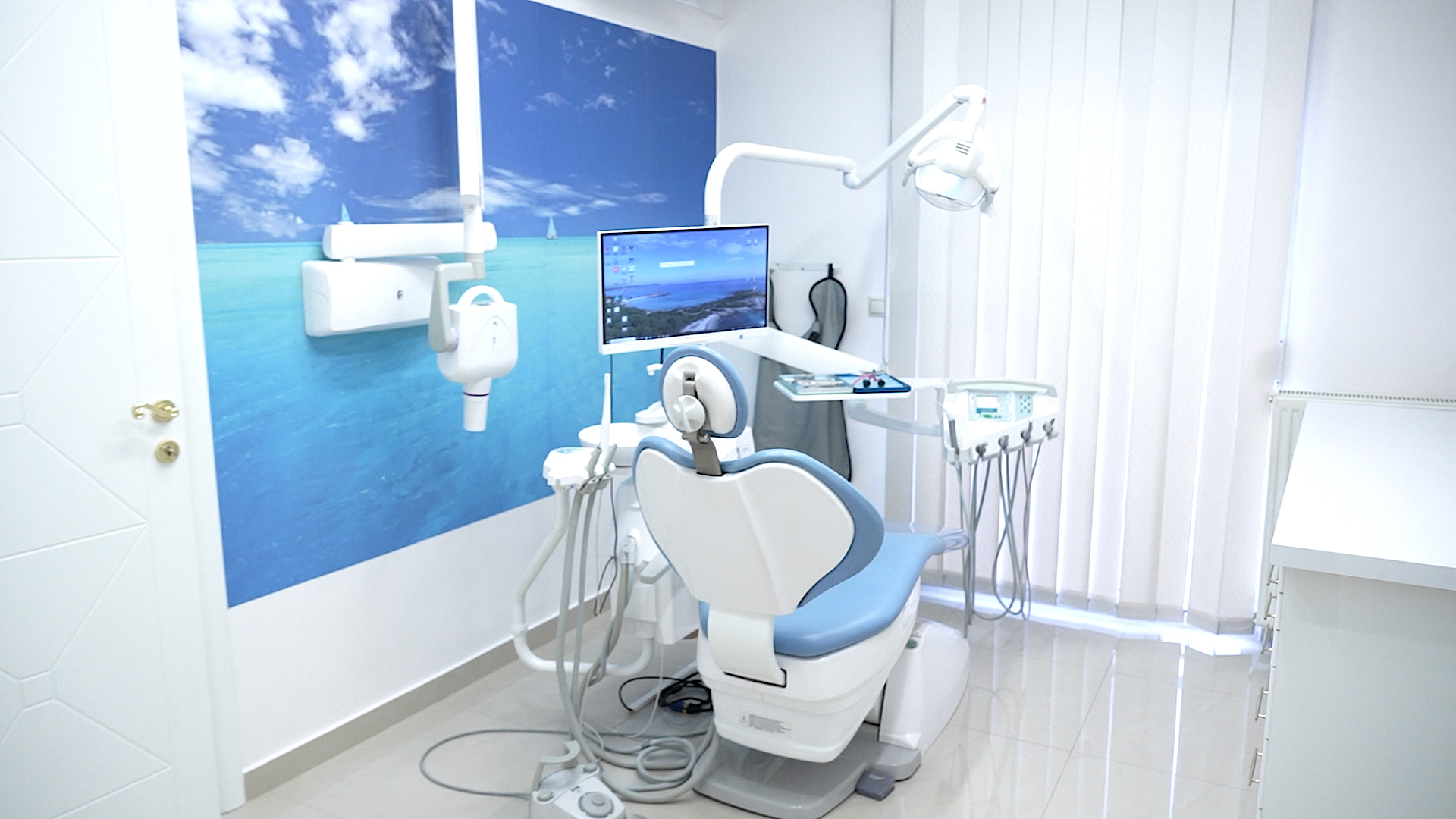
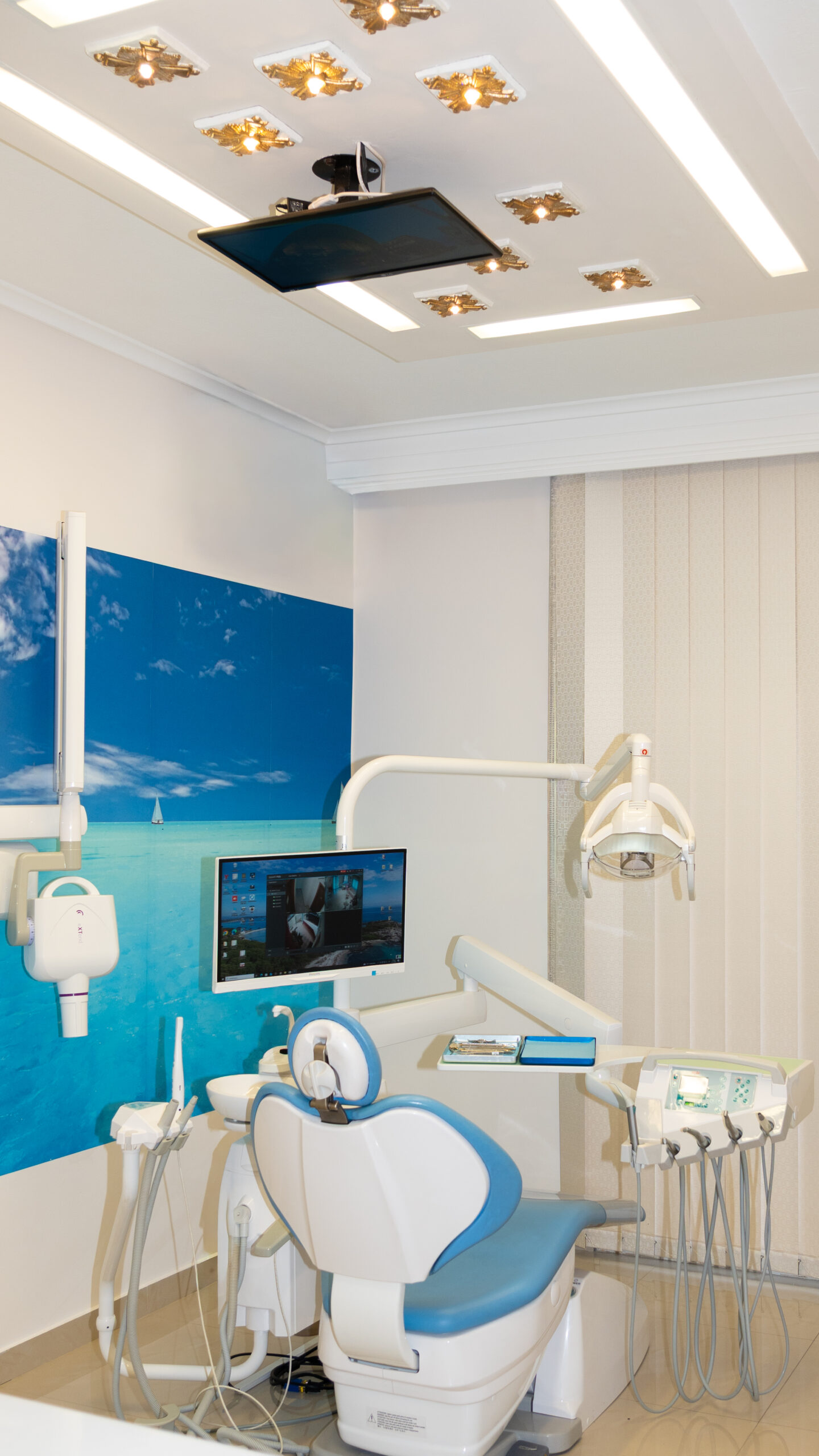
- Adult treatment room
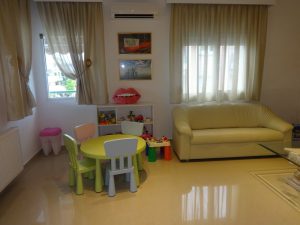
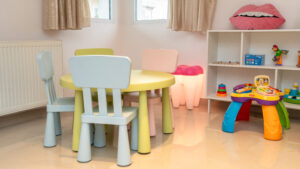
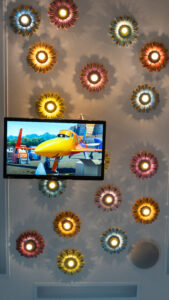
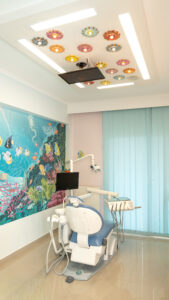
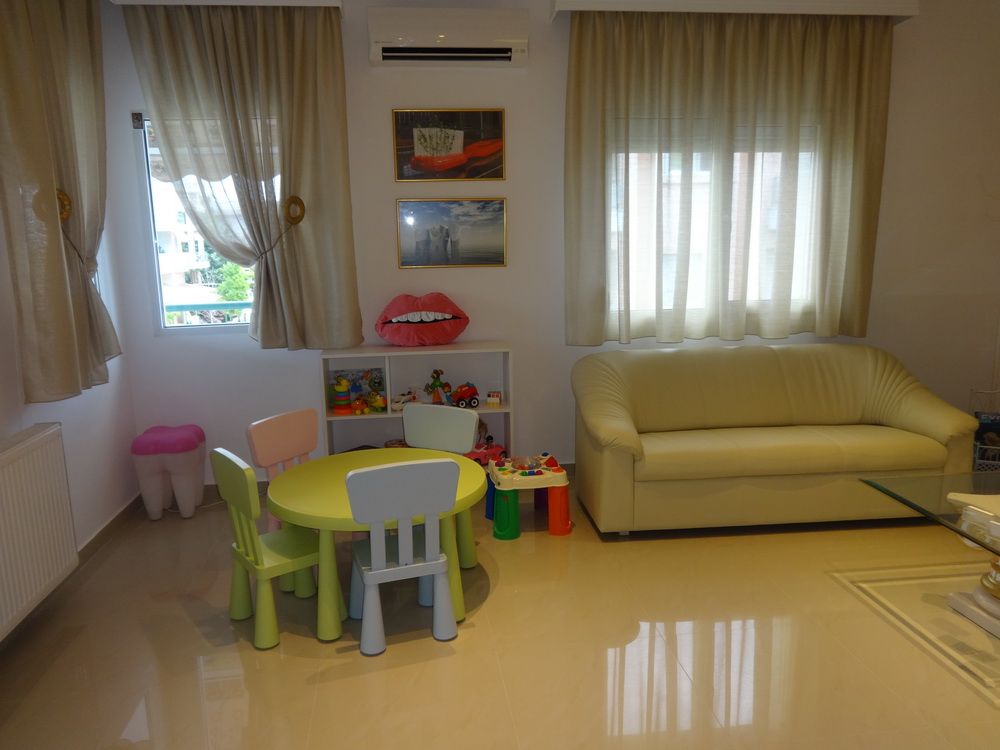
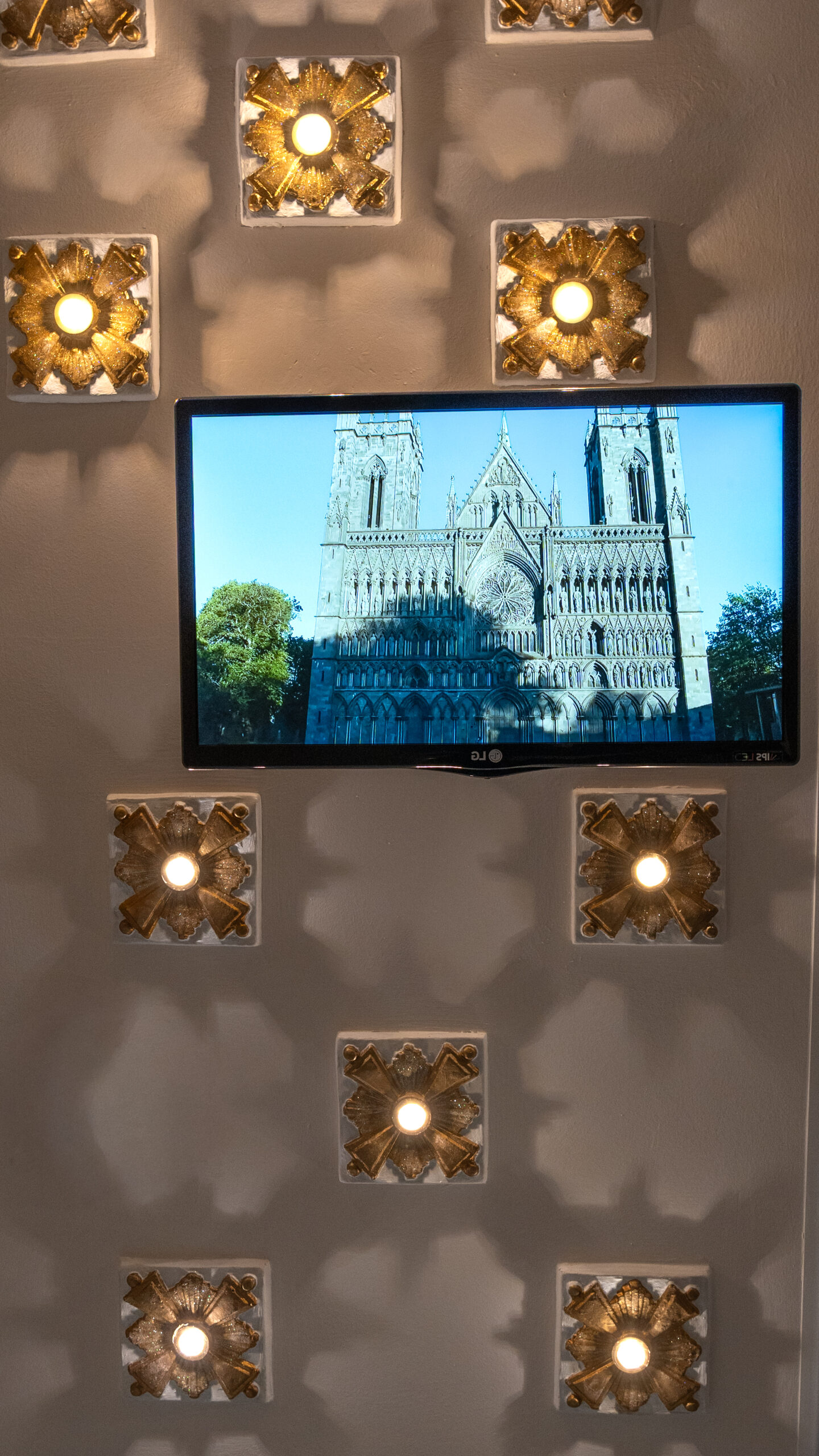
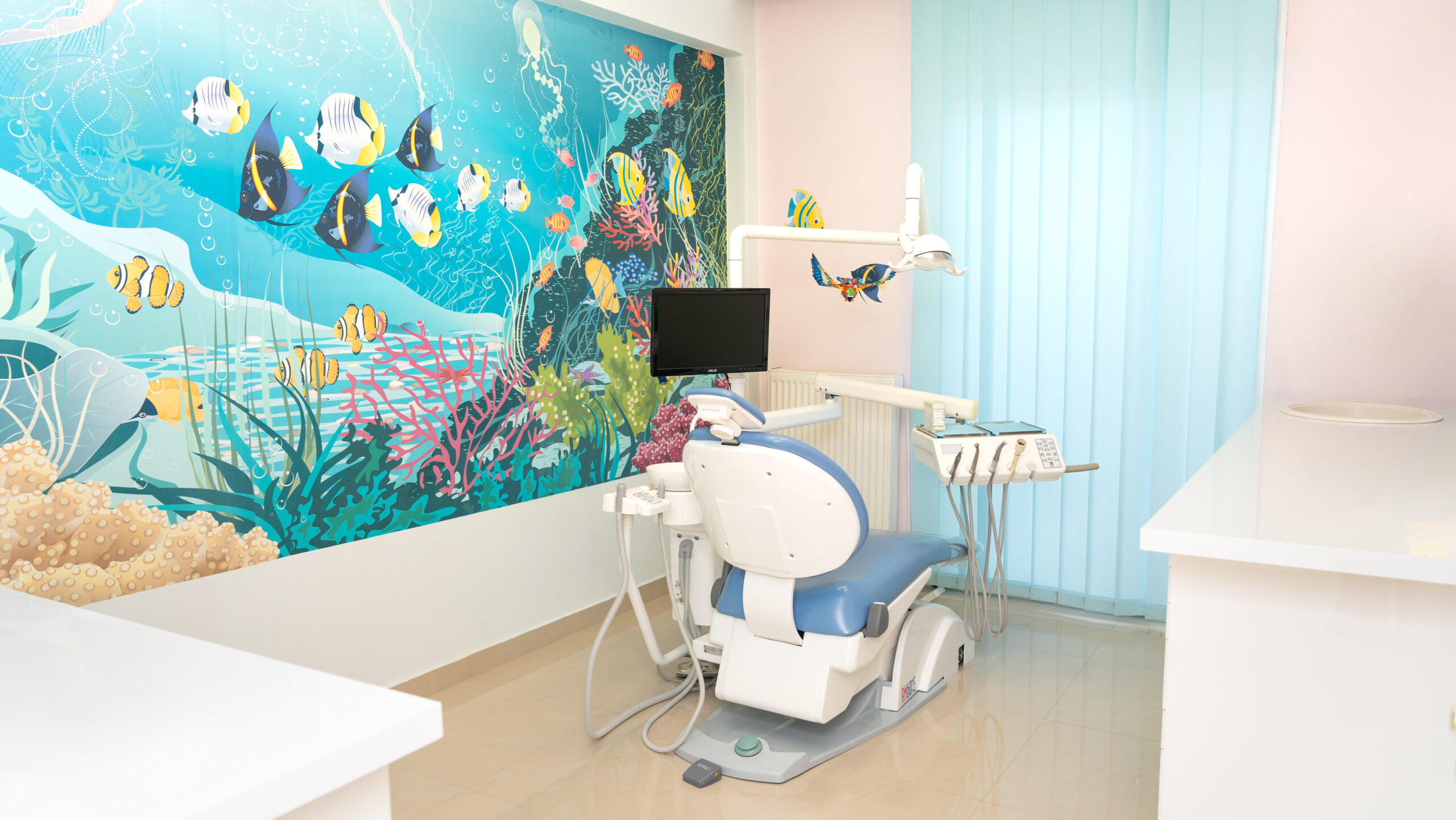
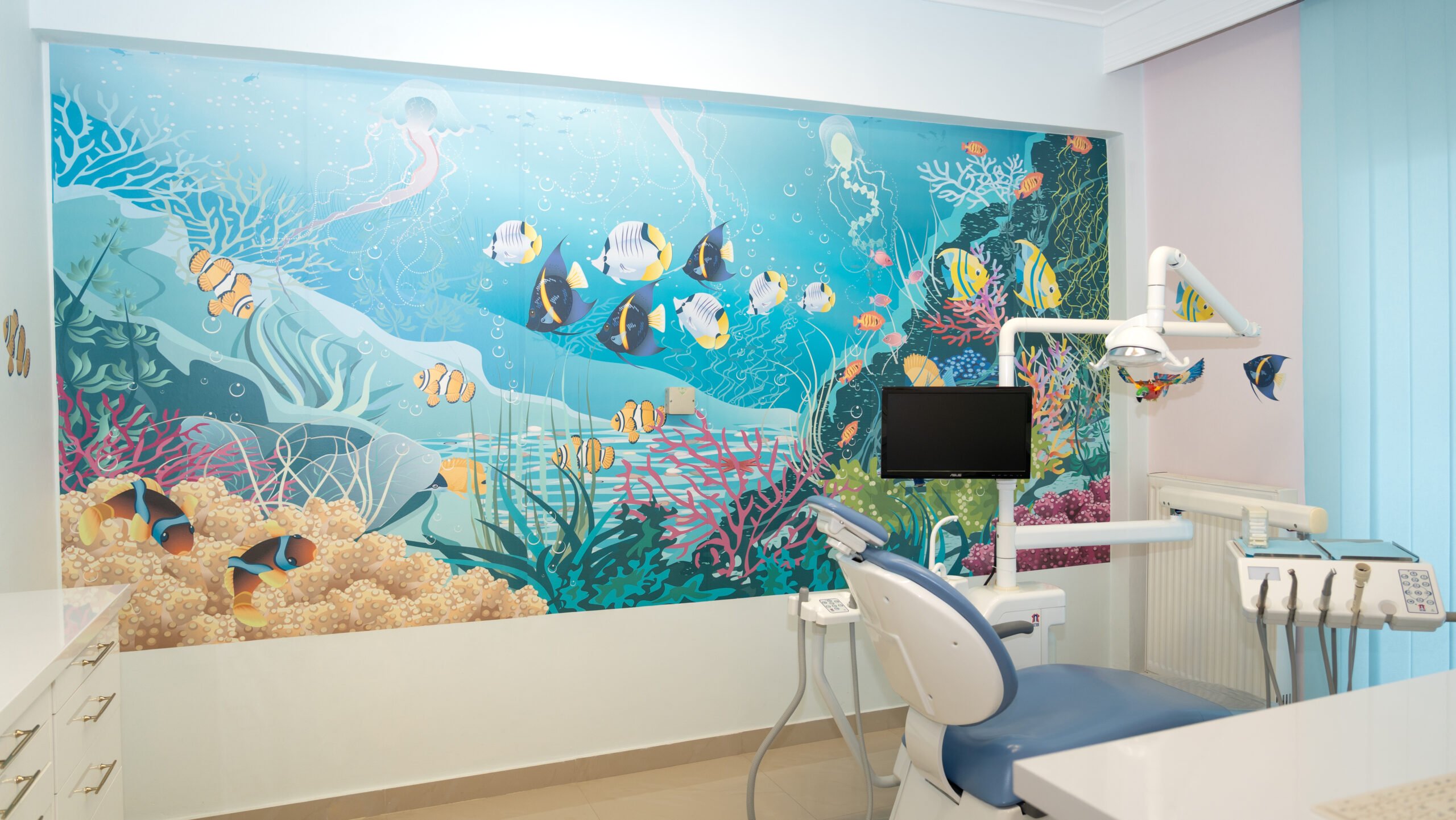
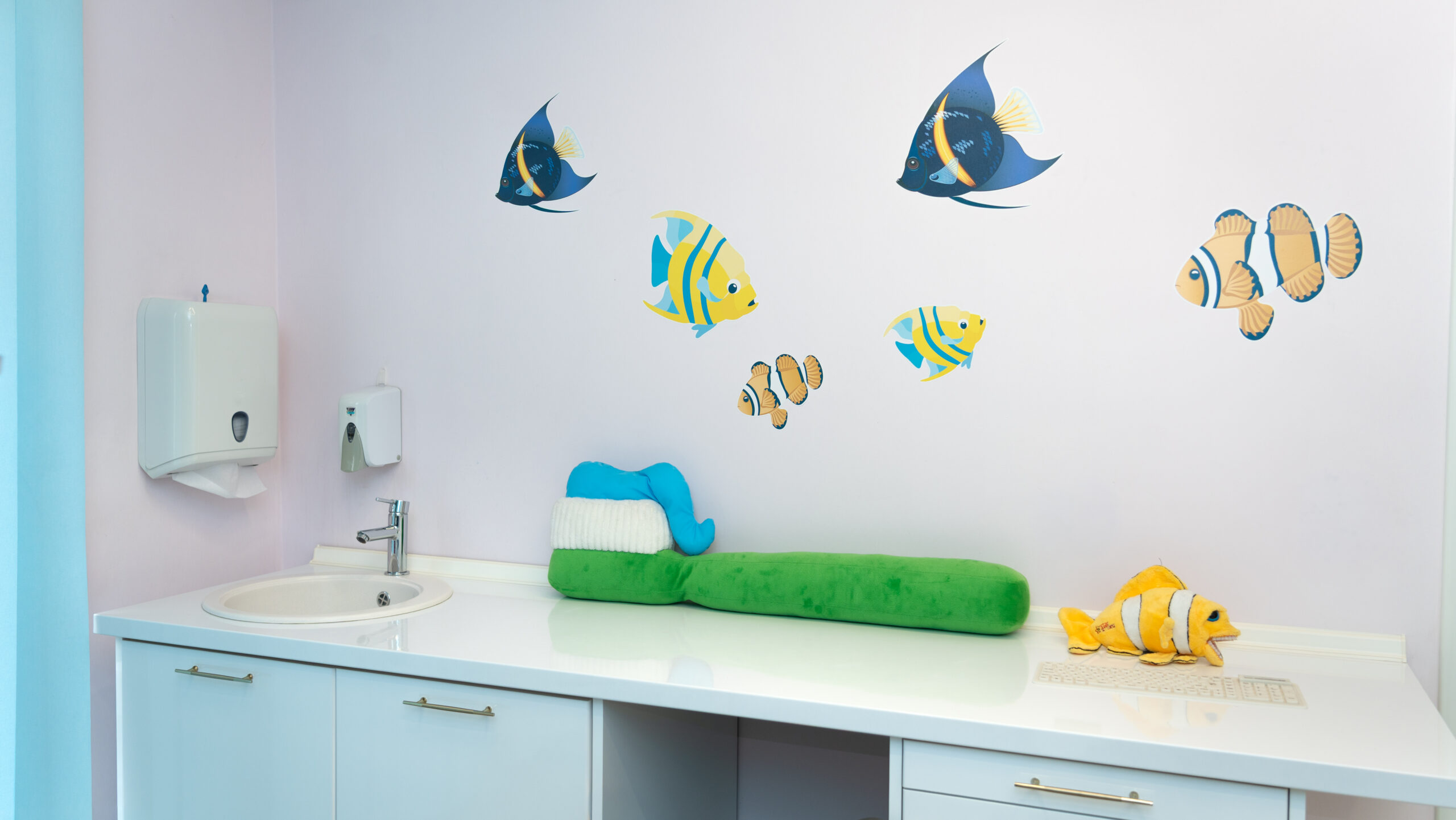
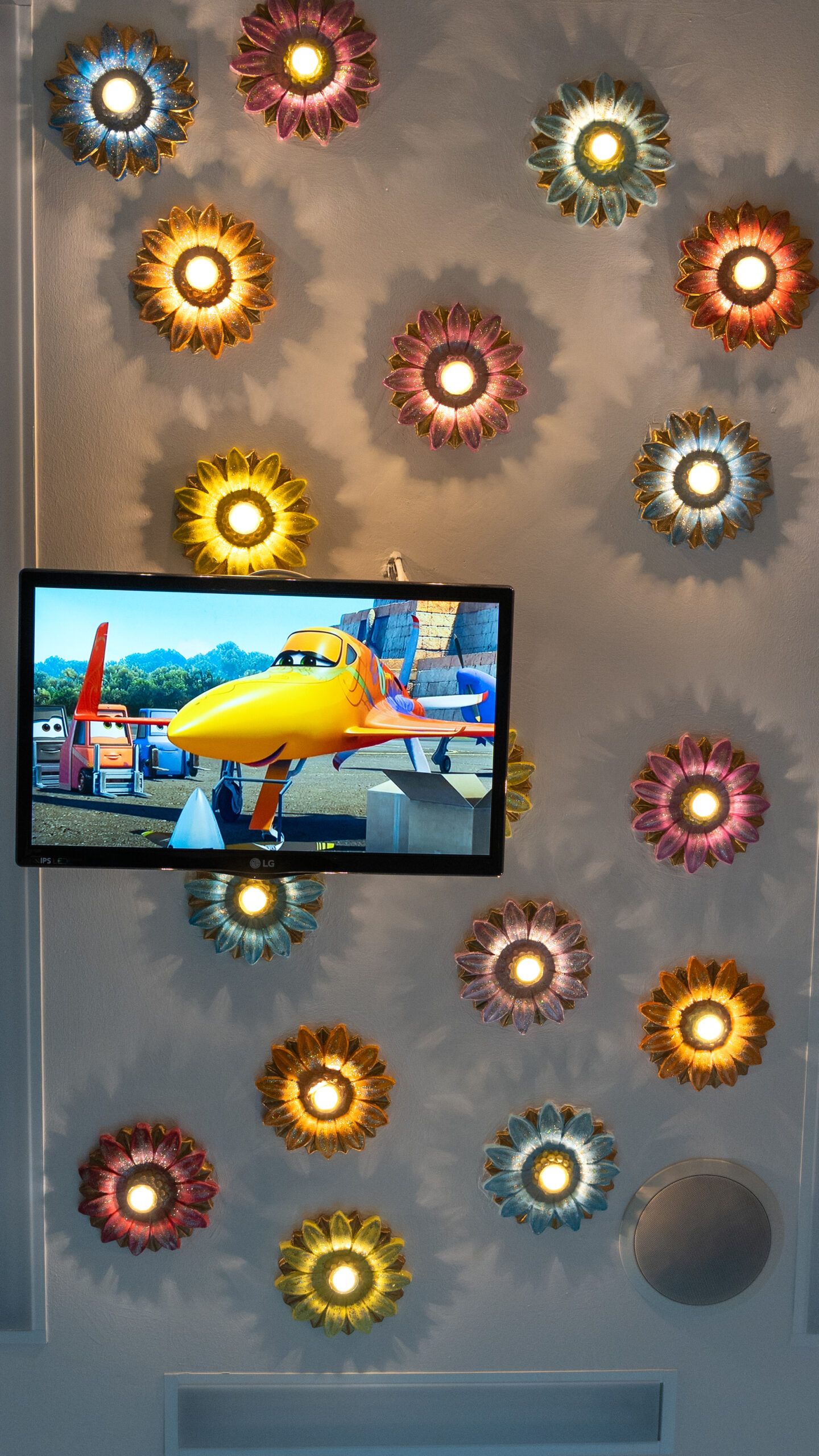
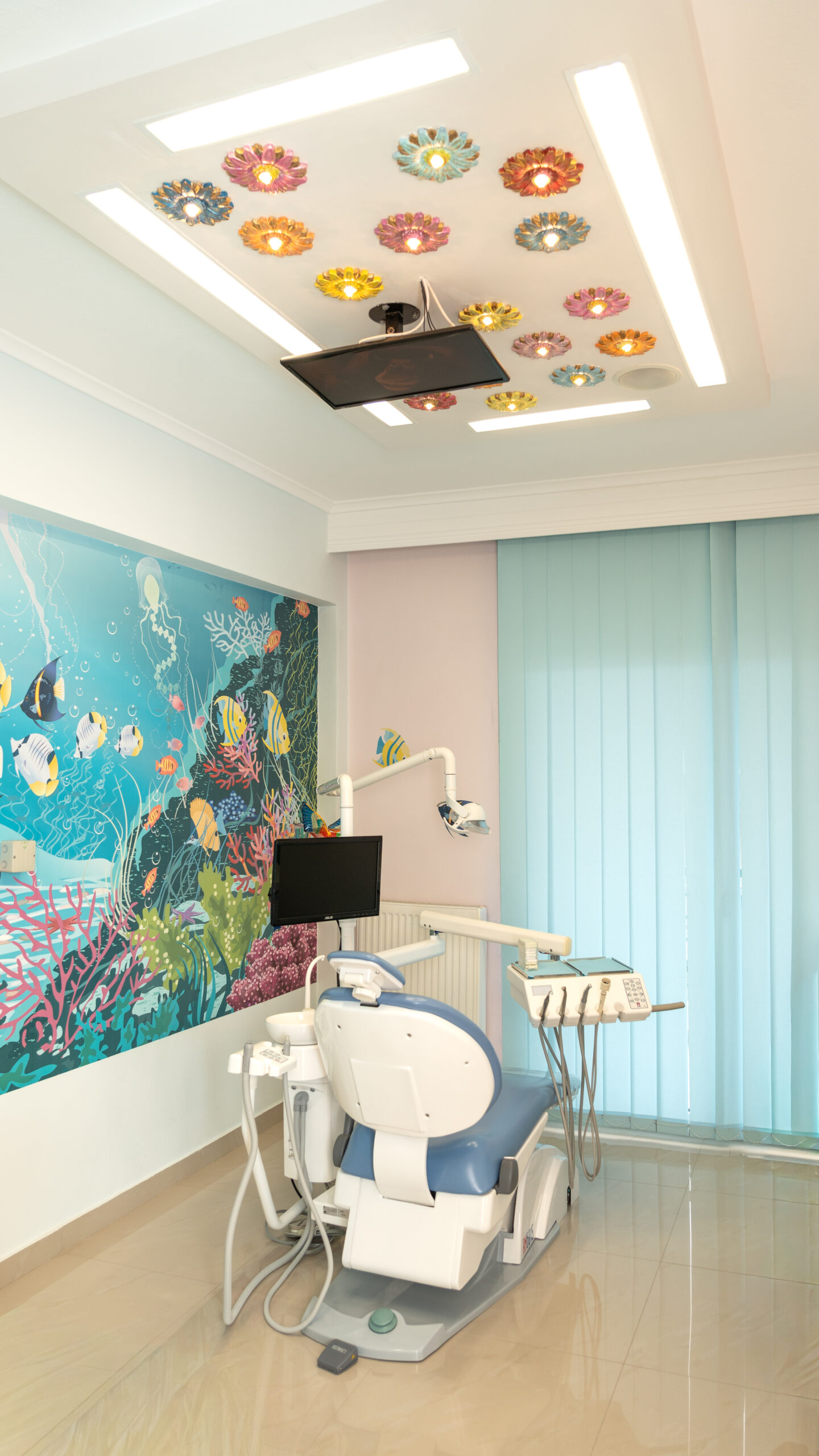
- Children’s treatment room
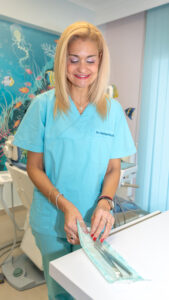
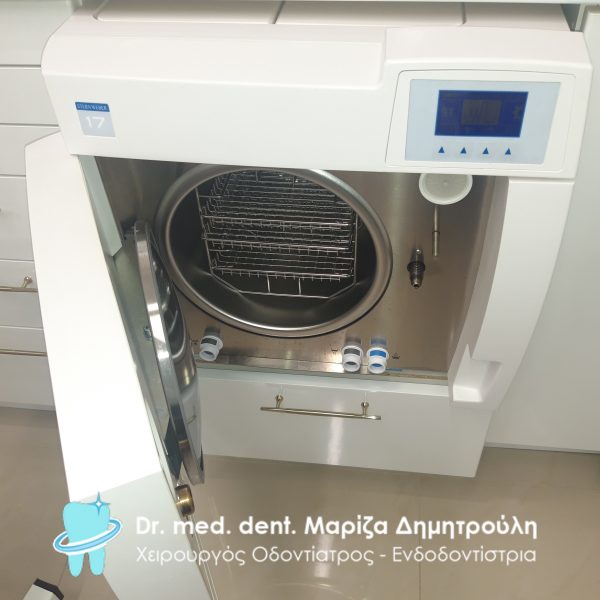
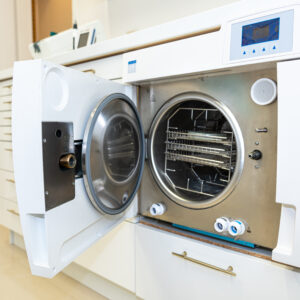
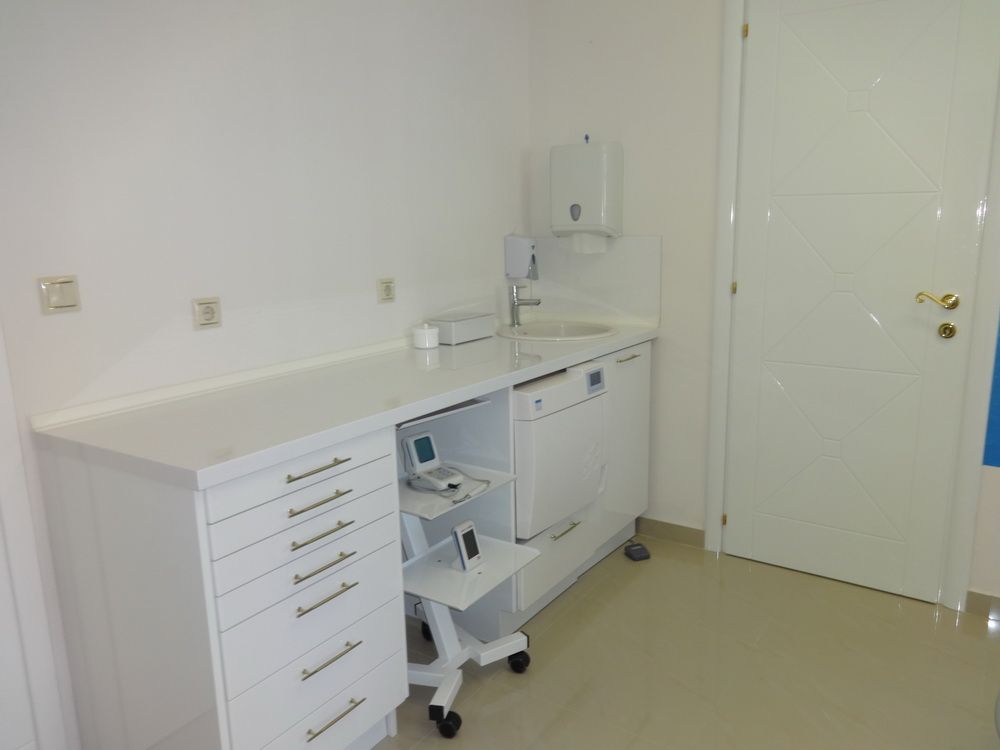
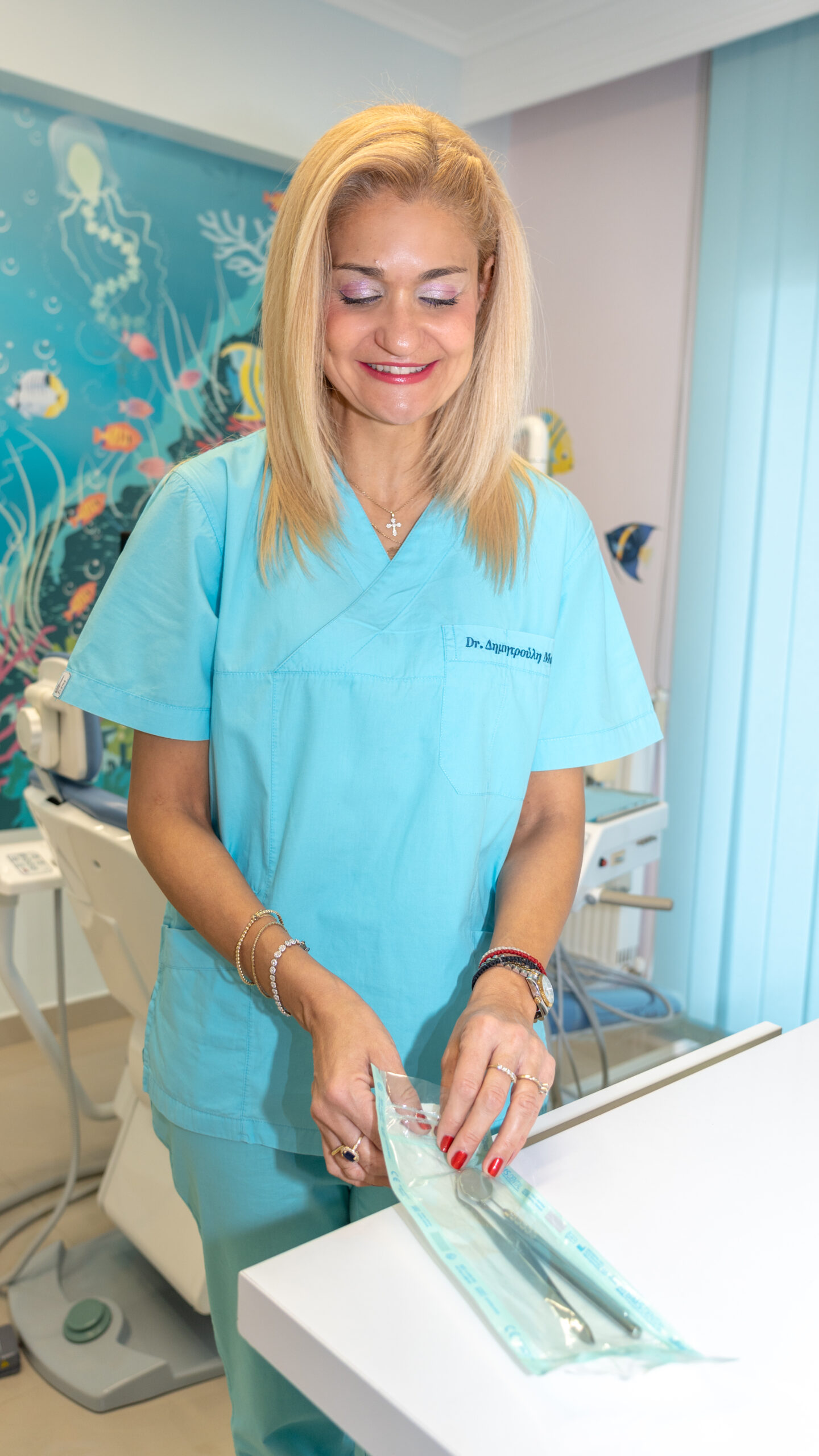
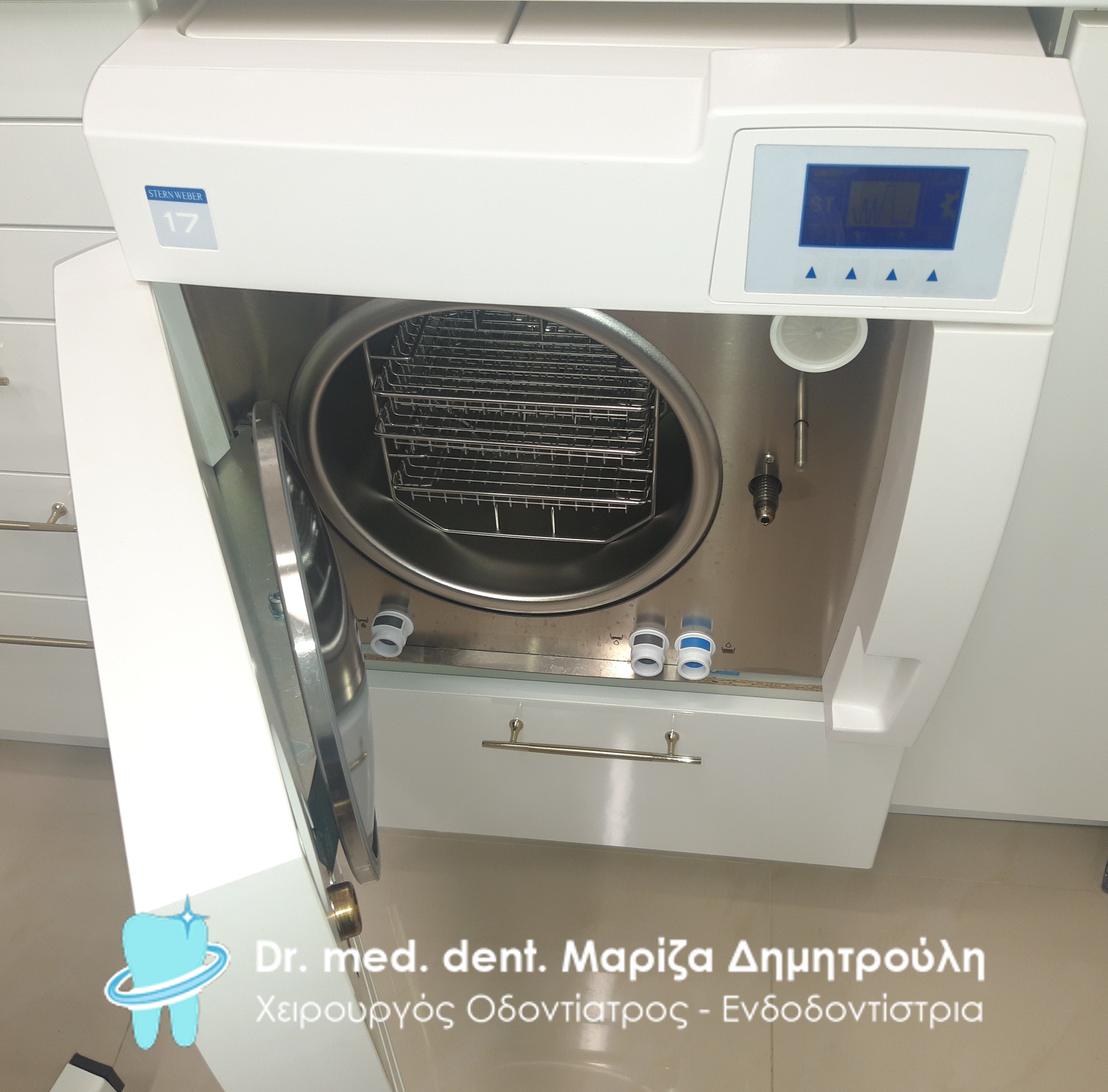
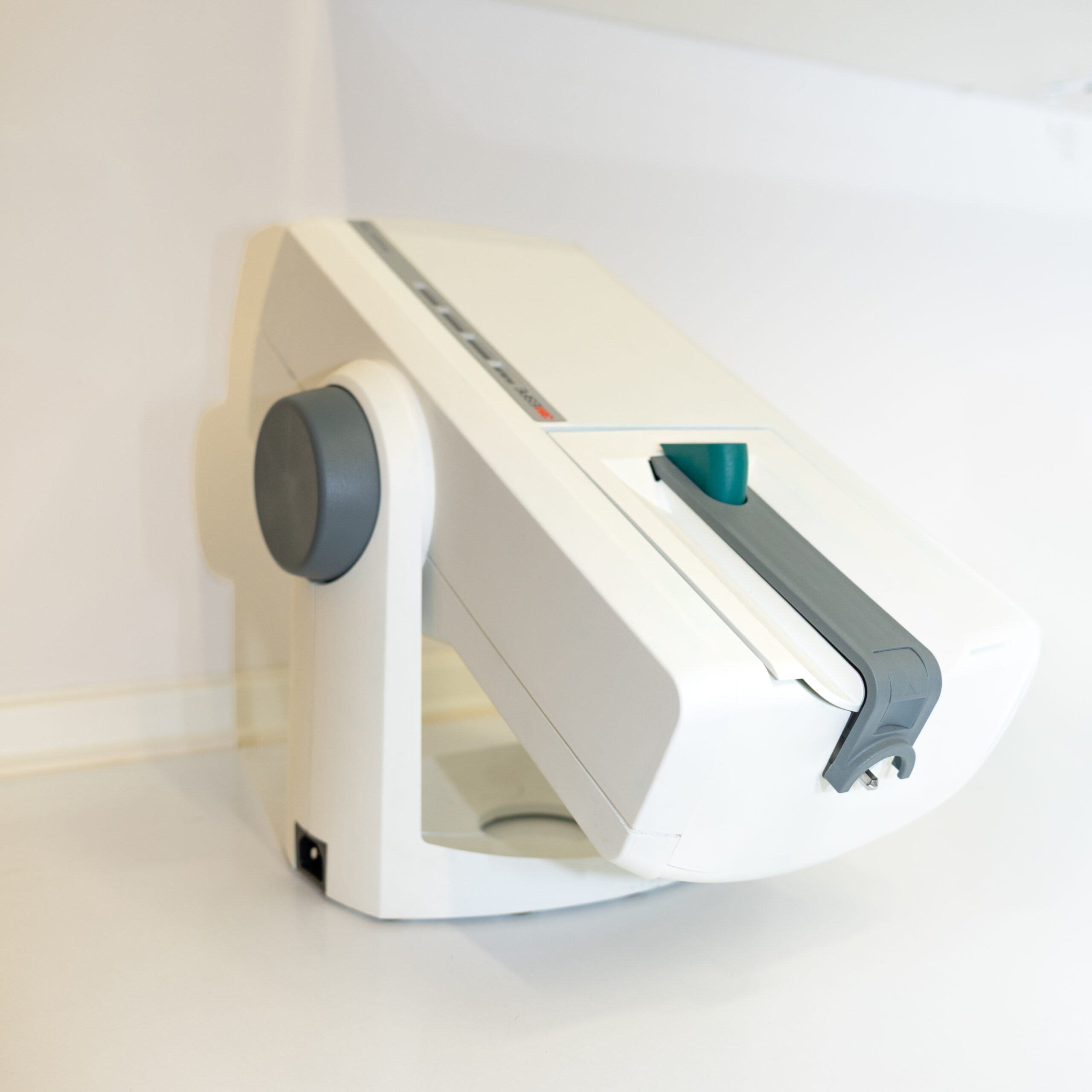
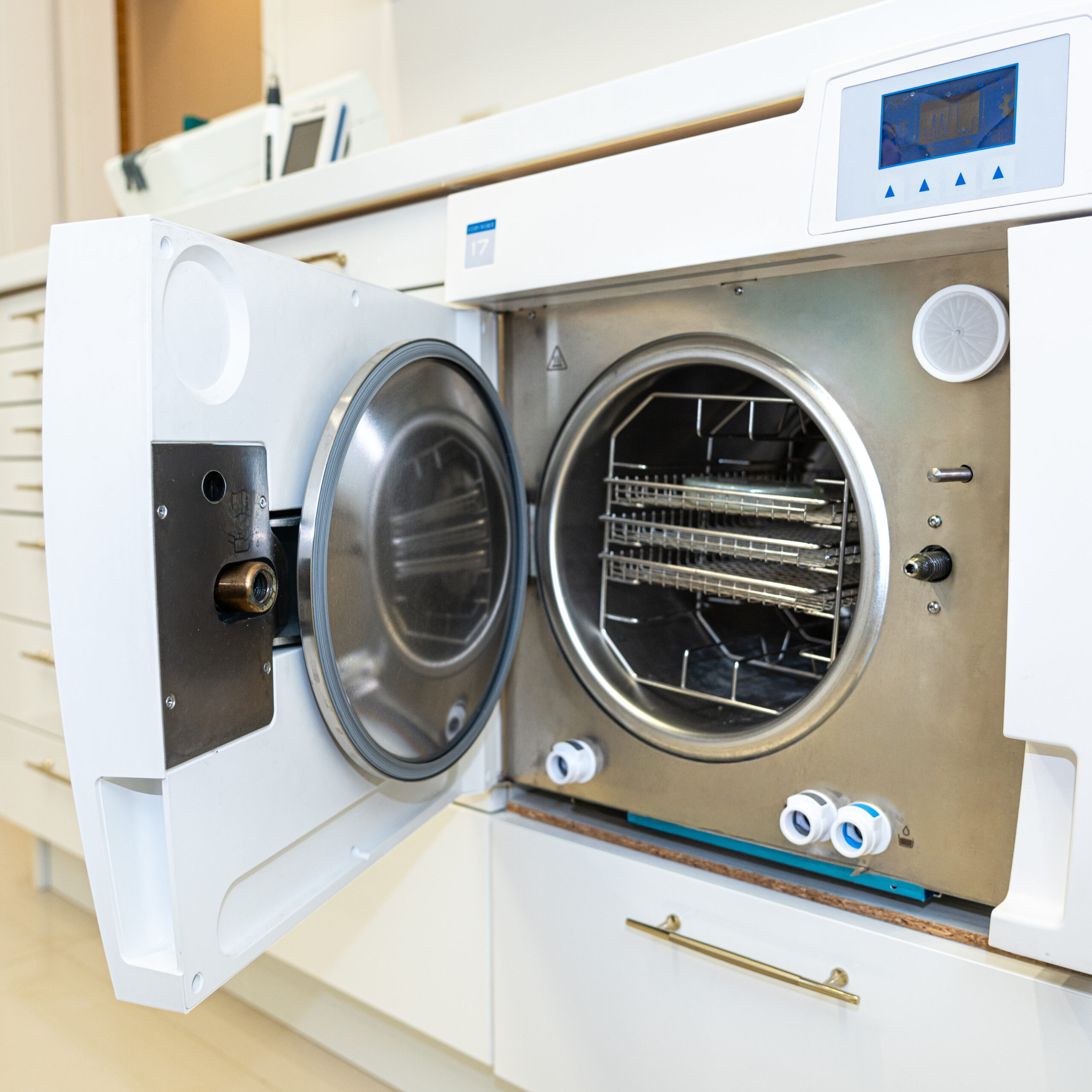
- Autoclave for disinfection of dental instruments. The oven sterilizes the instruments, kills bacteria and, as a result, the dental instruments are ready and clean to be used again in dental treatments.
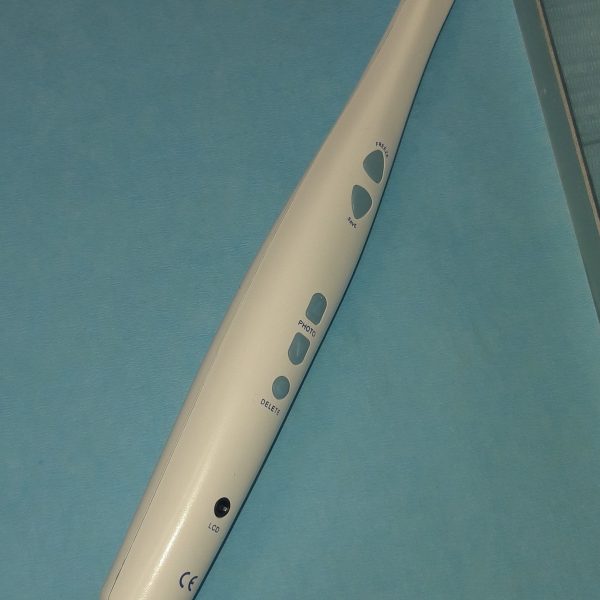
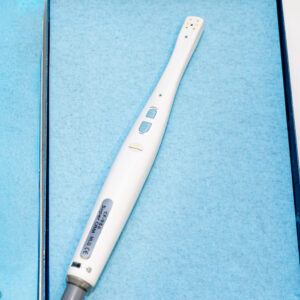
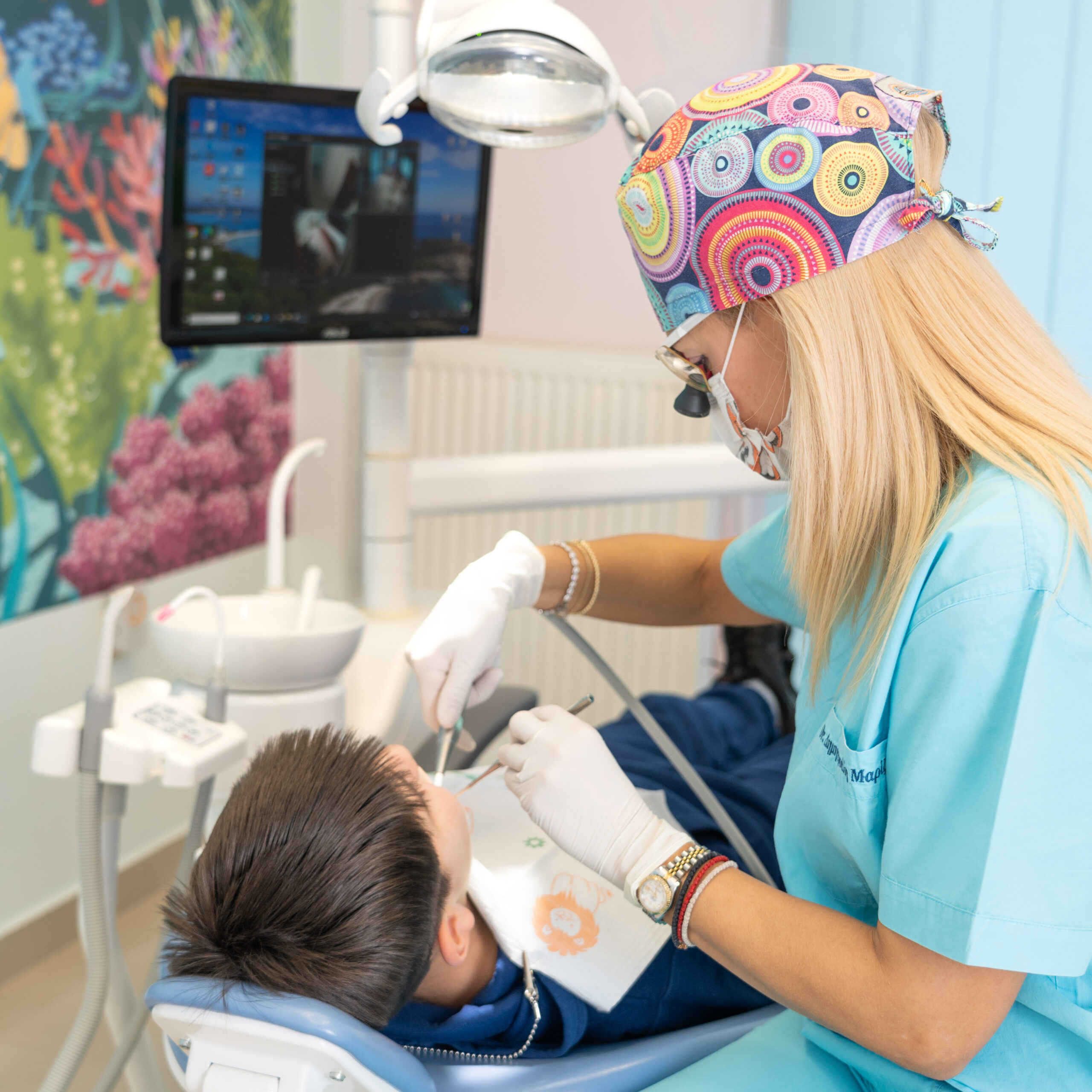
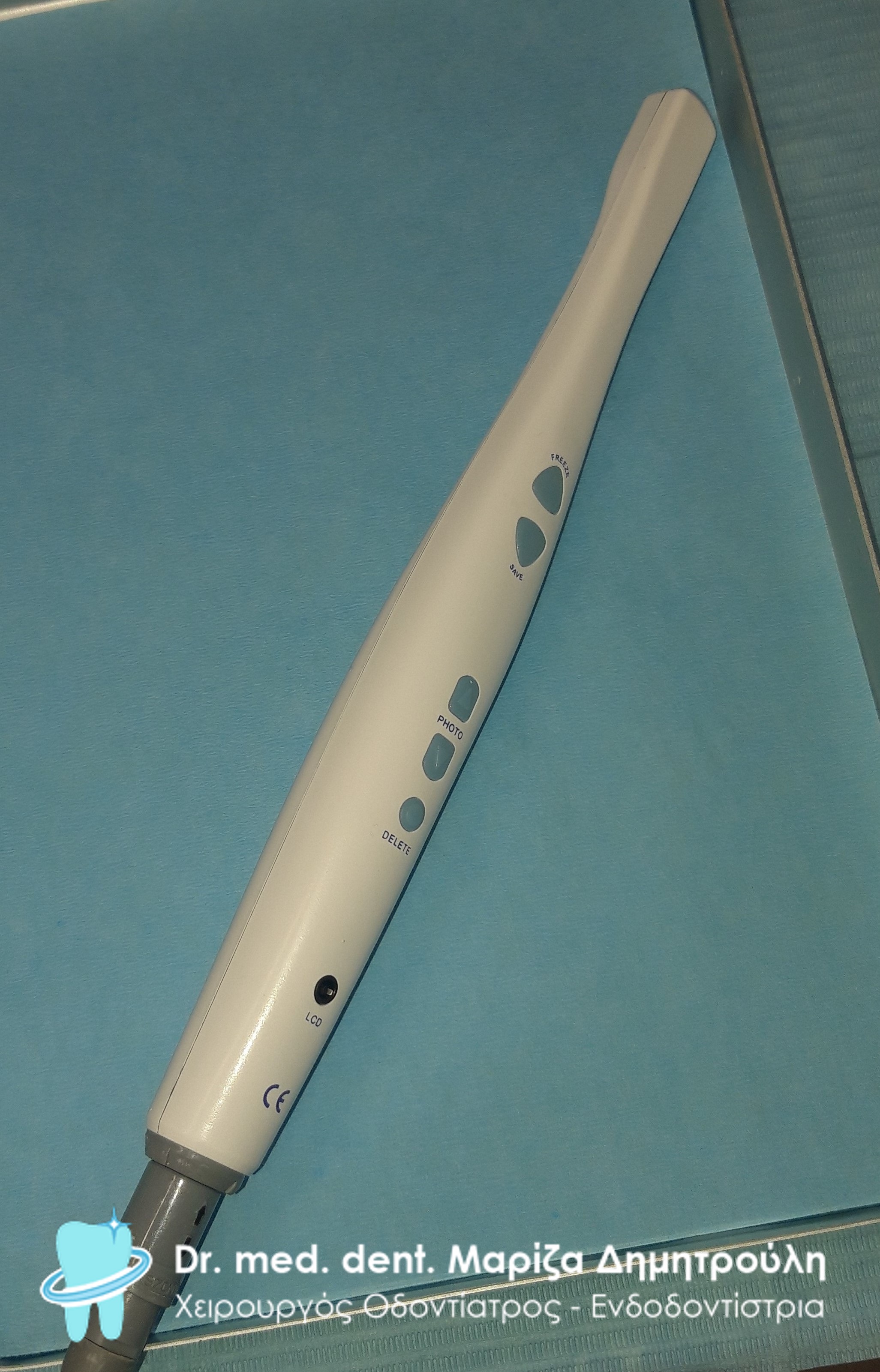
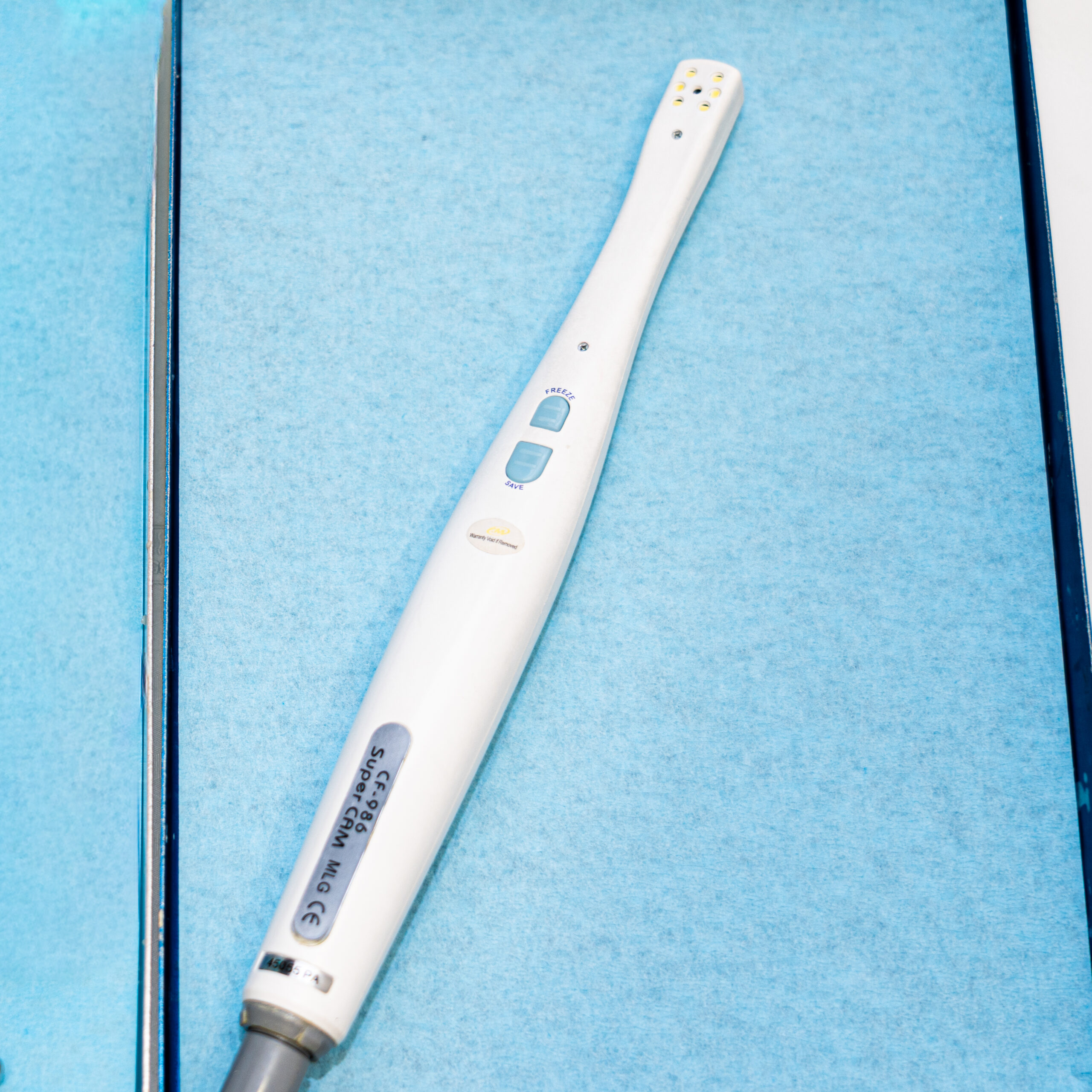
- Intraoral camera. The camera photographs and displays the patient’s dental problem on the computer. With the camera, the patient can see exactly which tooth or teeth are affected, the extent of the decay, and how severe the gum inflammation is. In general, the camera helps the patient see and be informed in absolute detail about exactly what their dental problem is.
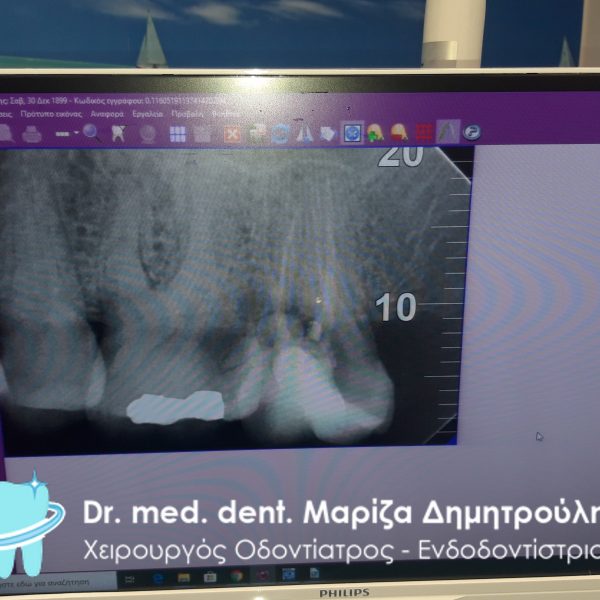
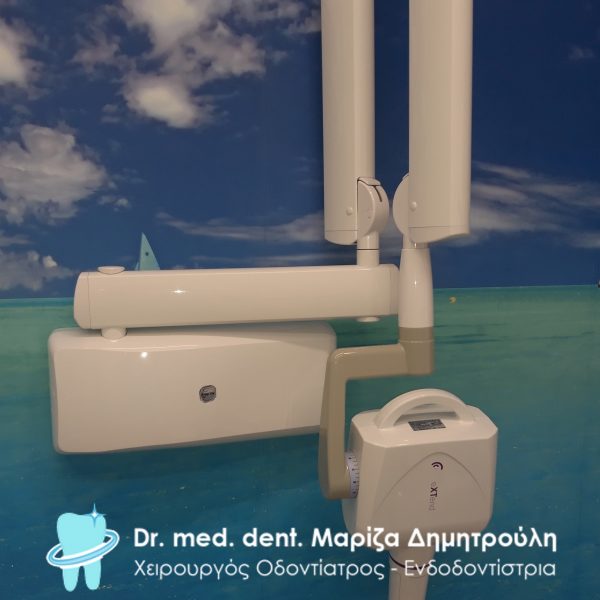
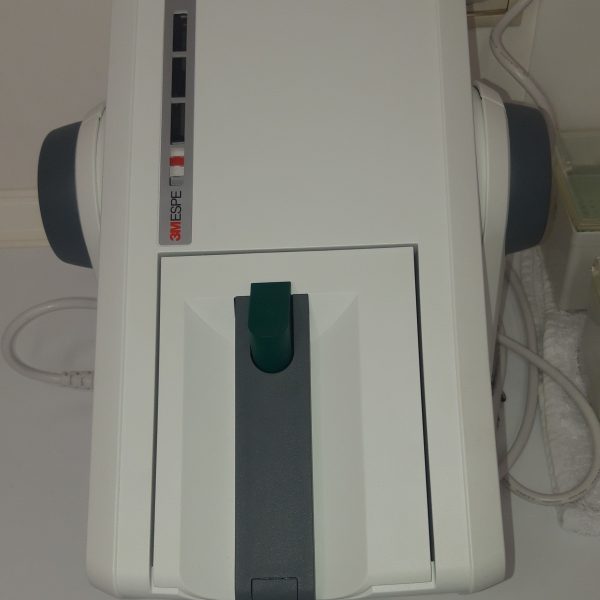
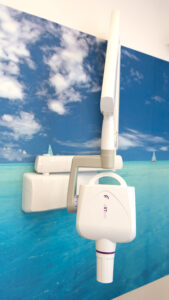
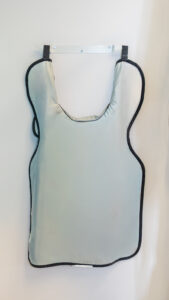
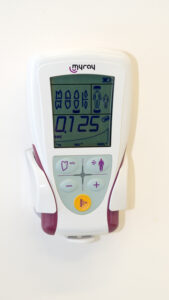
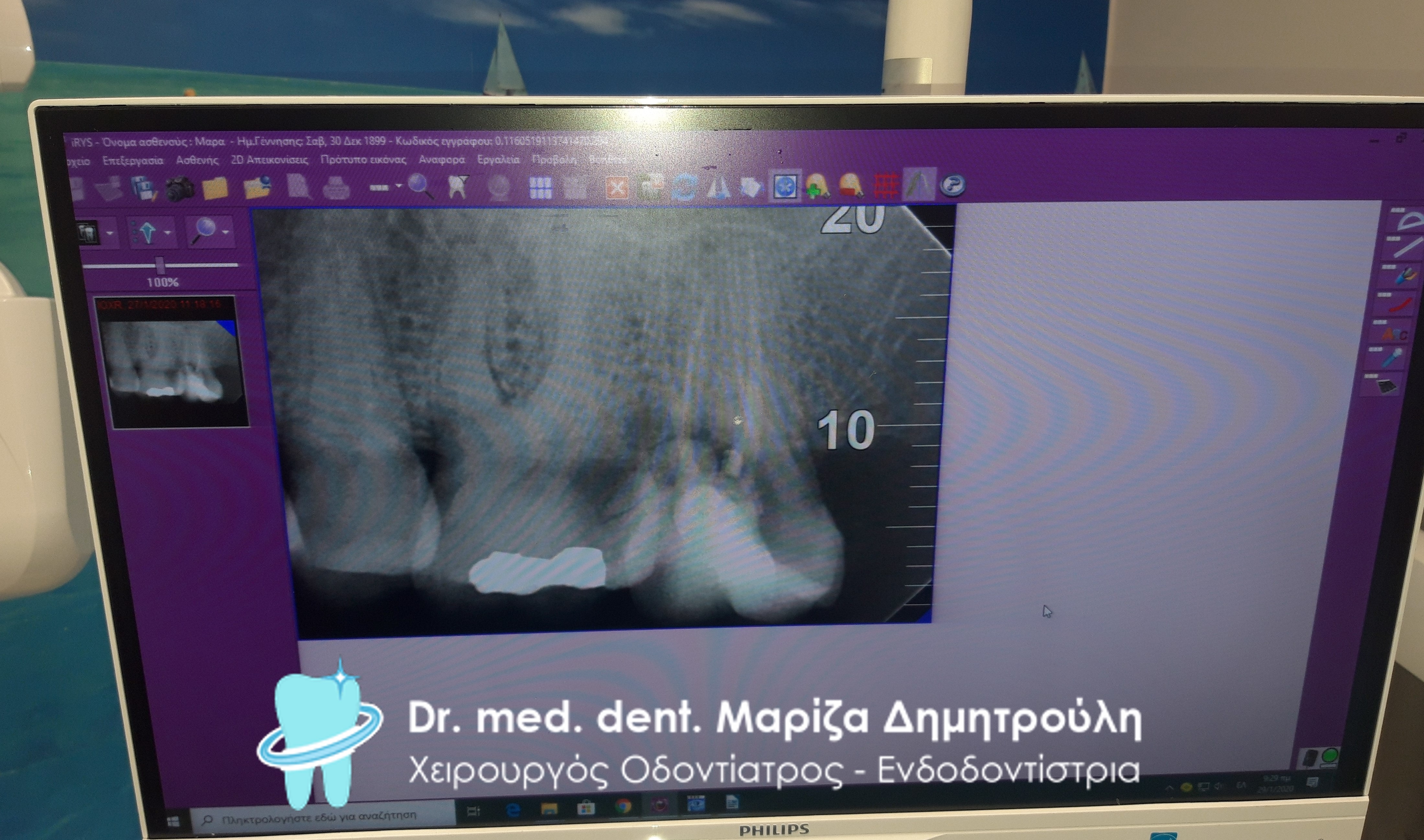
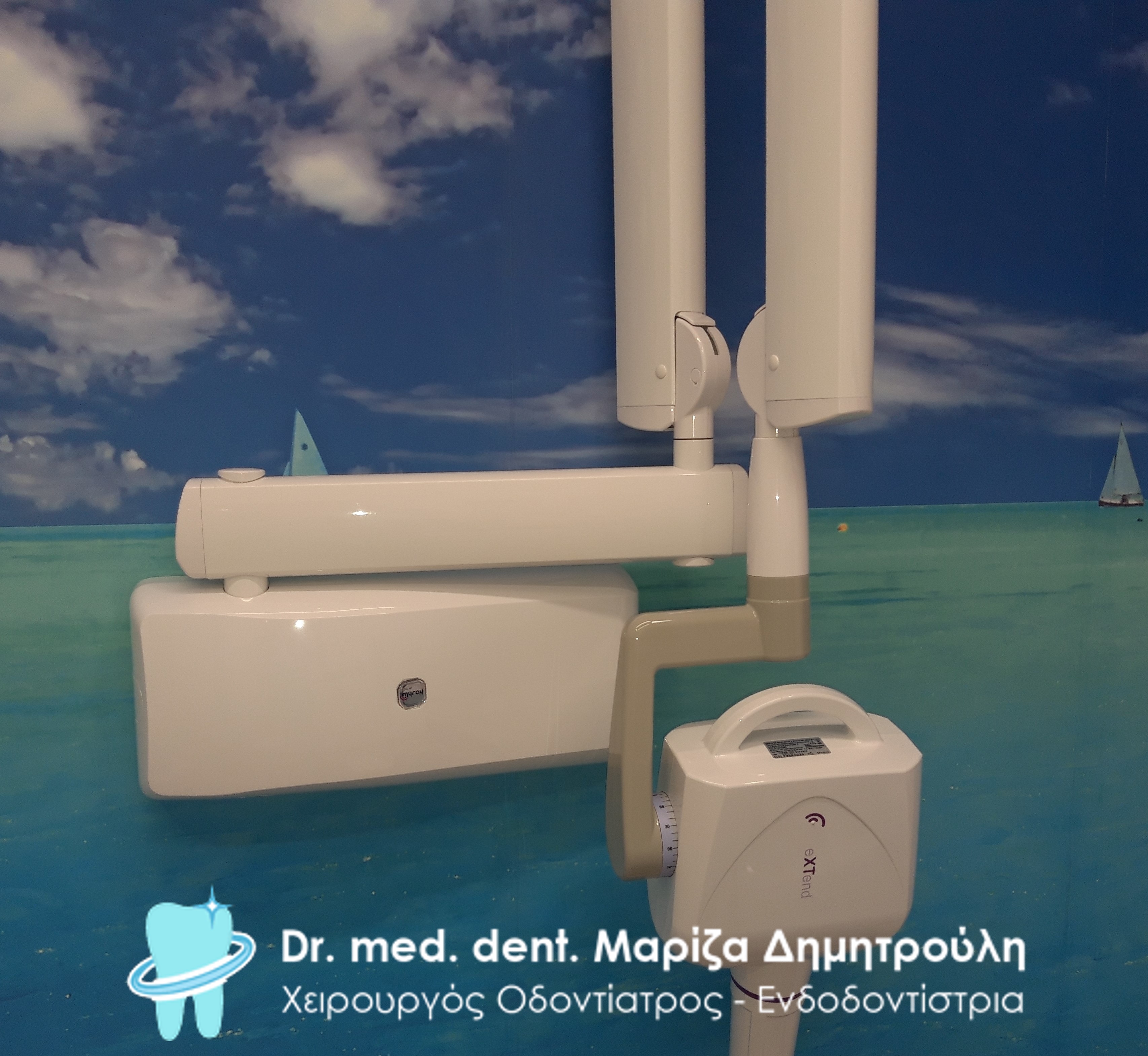
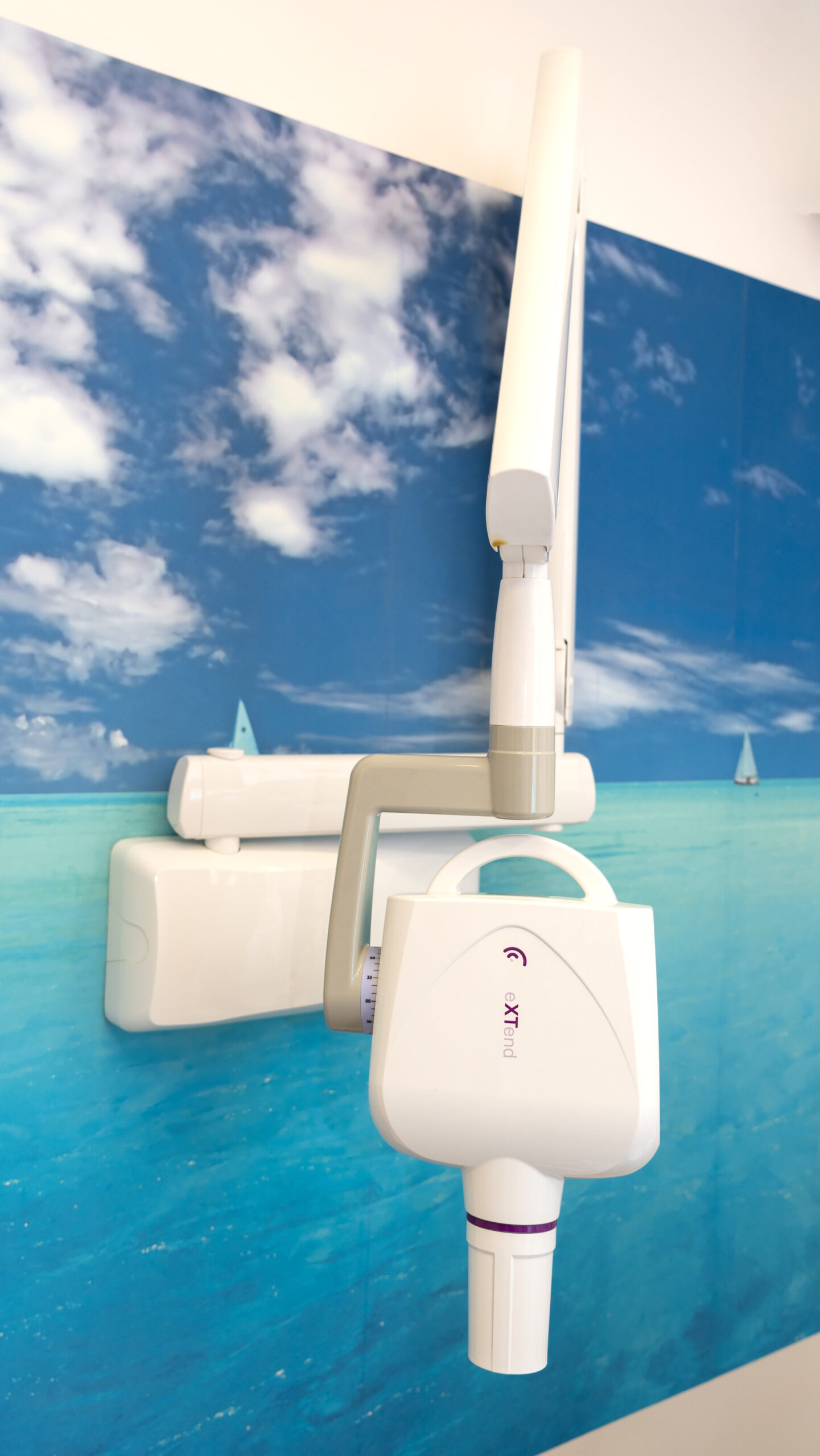
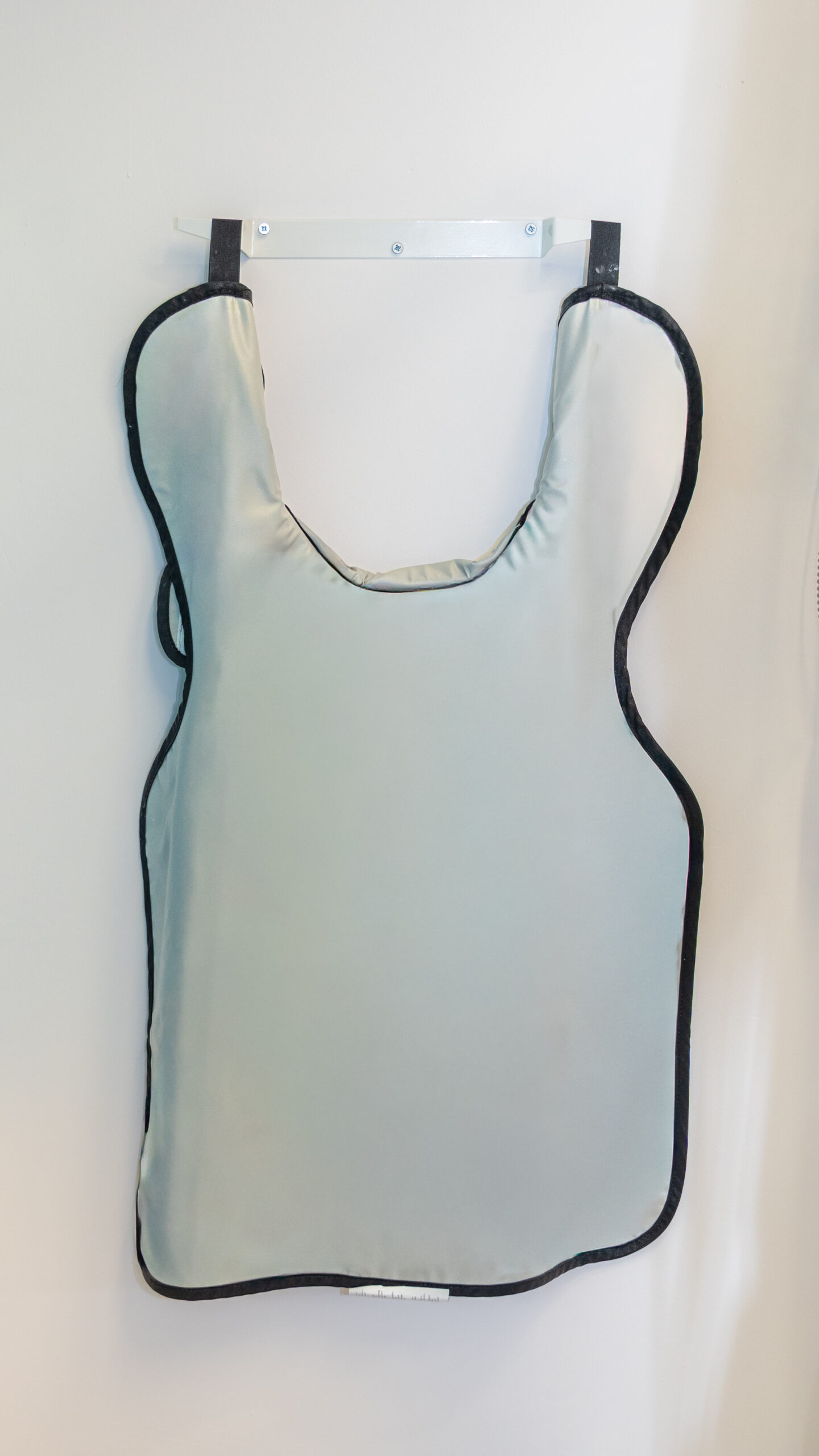
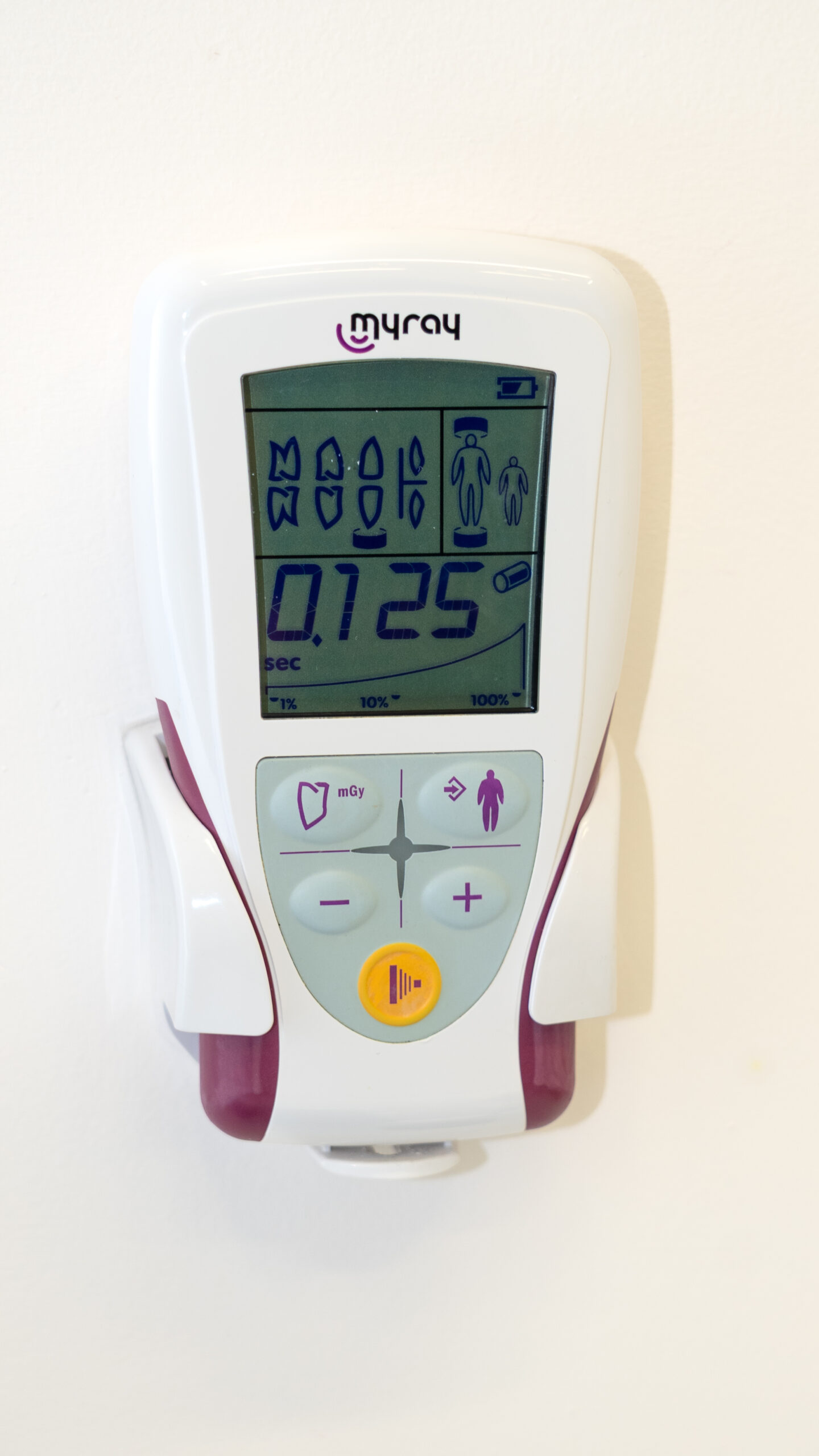
- Digital X-ray. This type of X-ray ensures the lowest possible exposure of the patient to radiation, since the radiation is minimal. In combination with the radiation protection (available at the clinic), the patient is fully protected from any radiation.
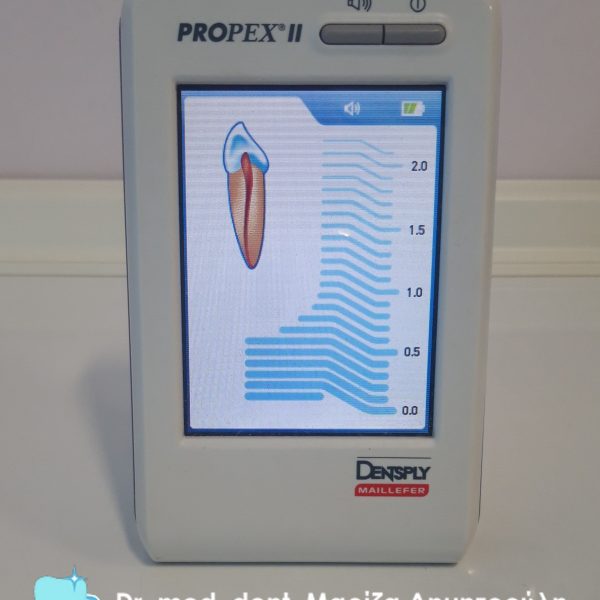
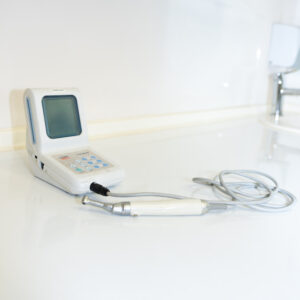
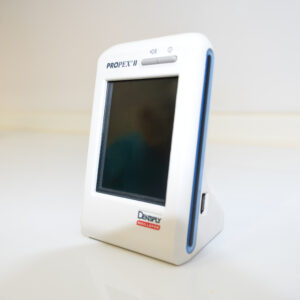
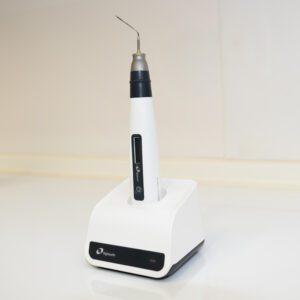
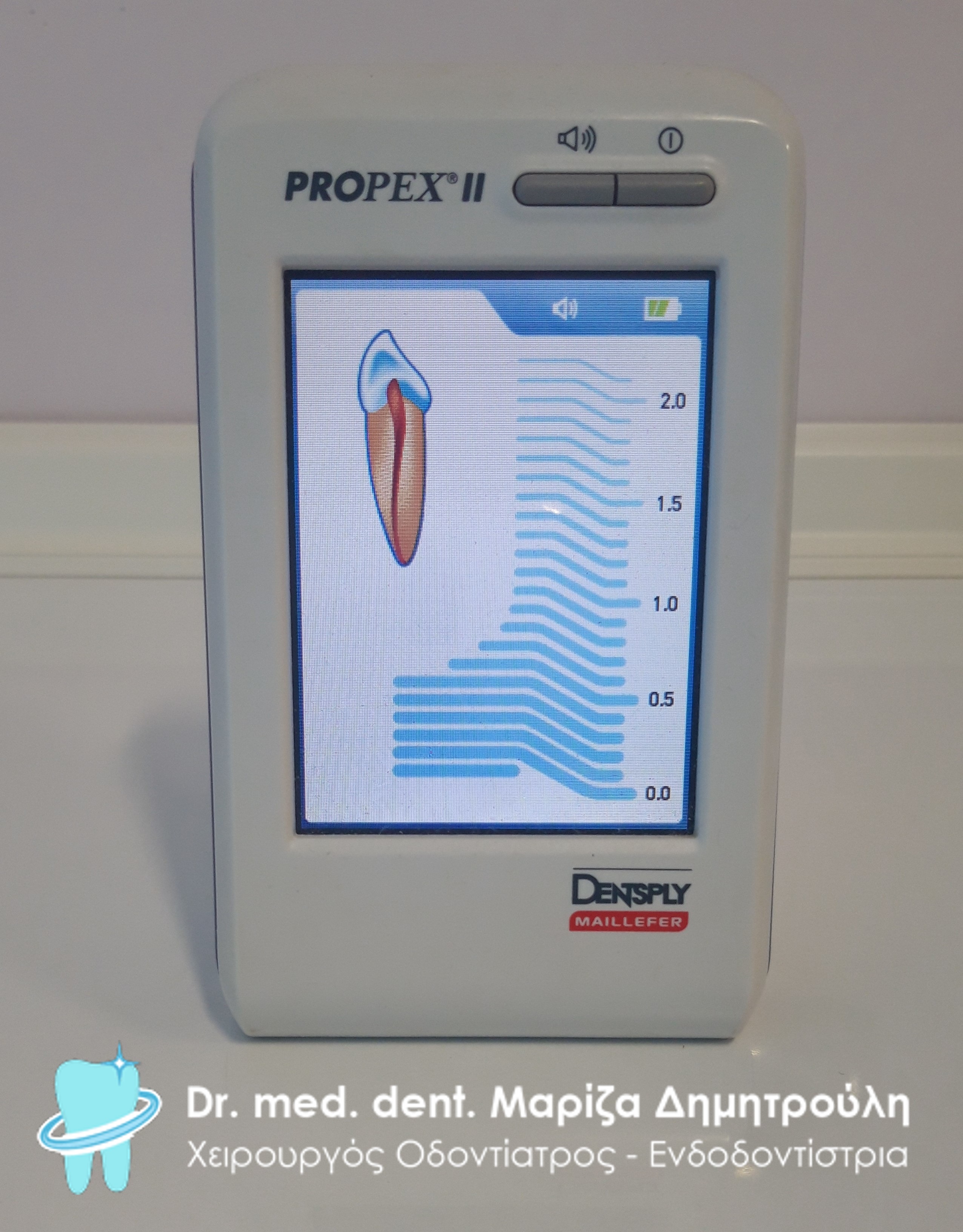
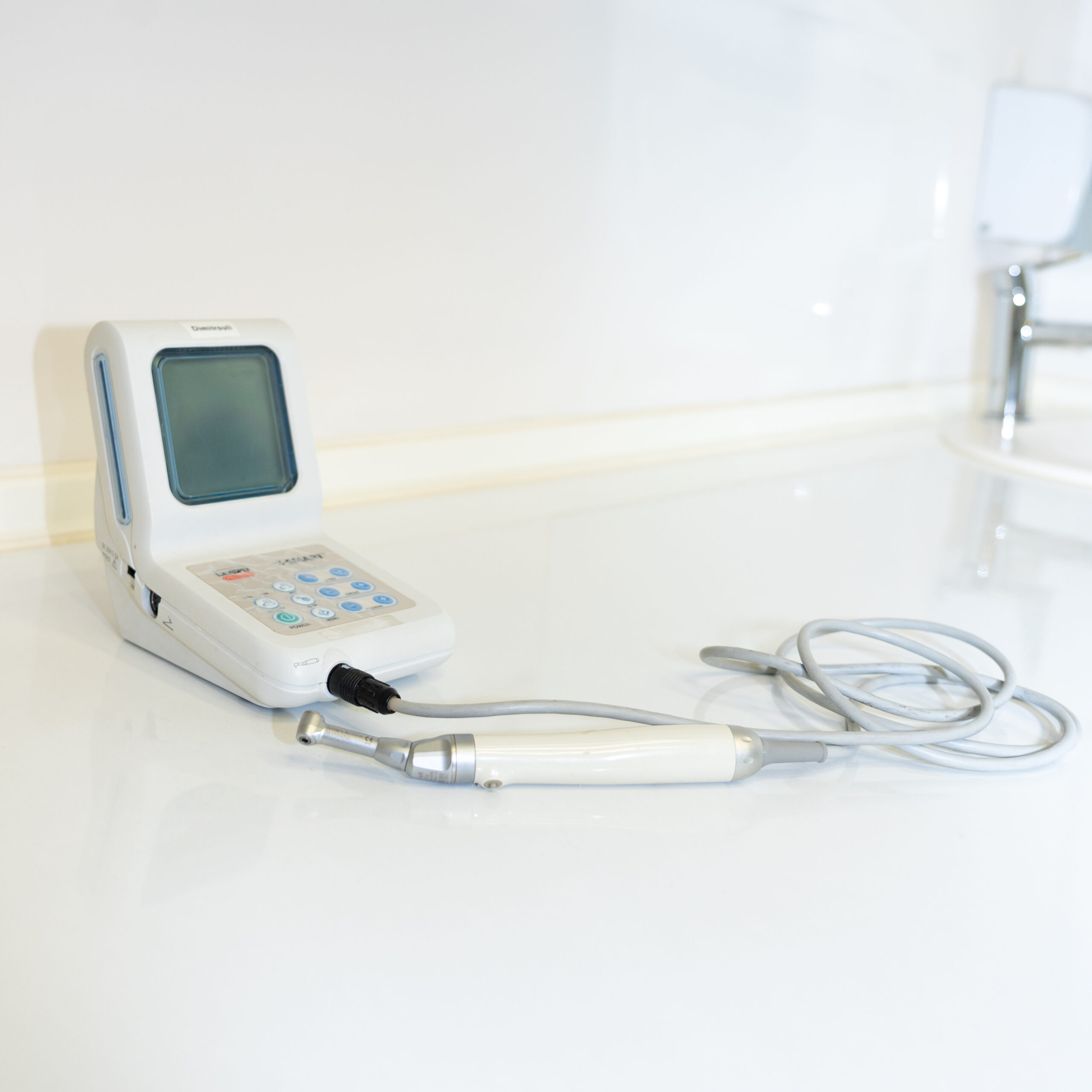
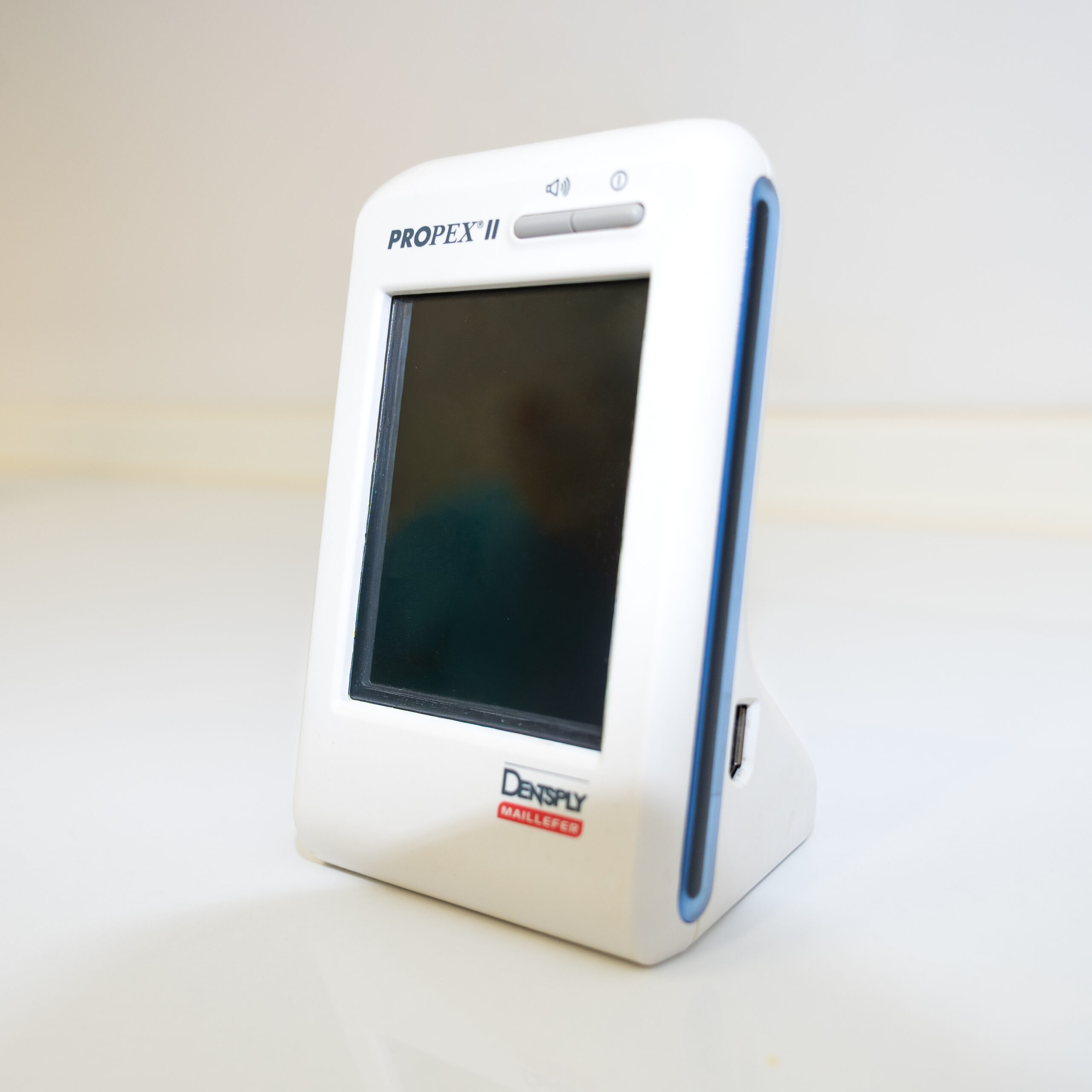
- Apex locator
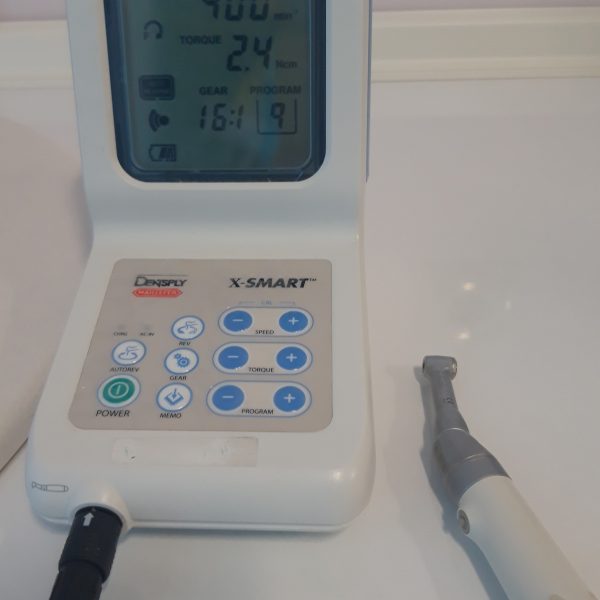
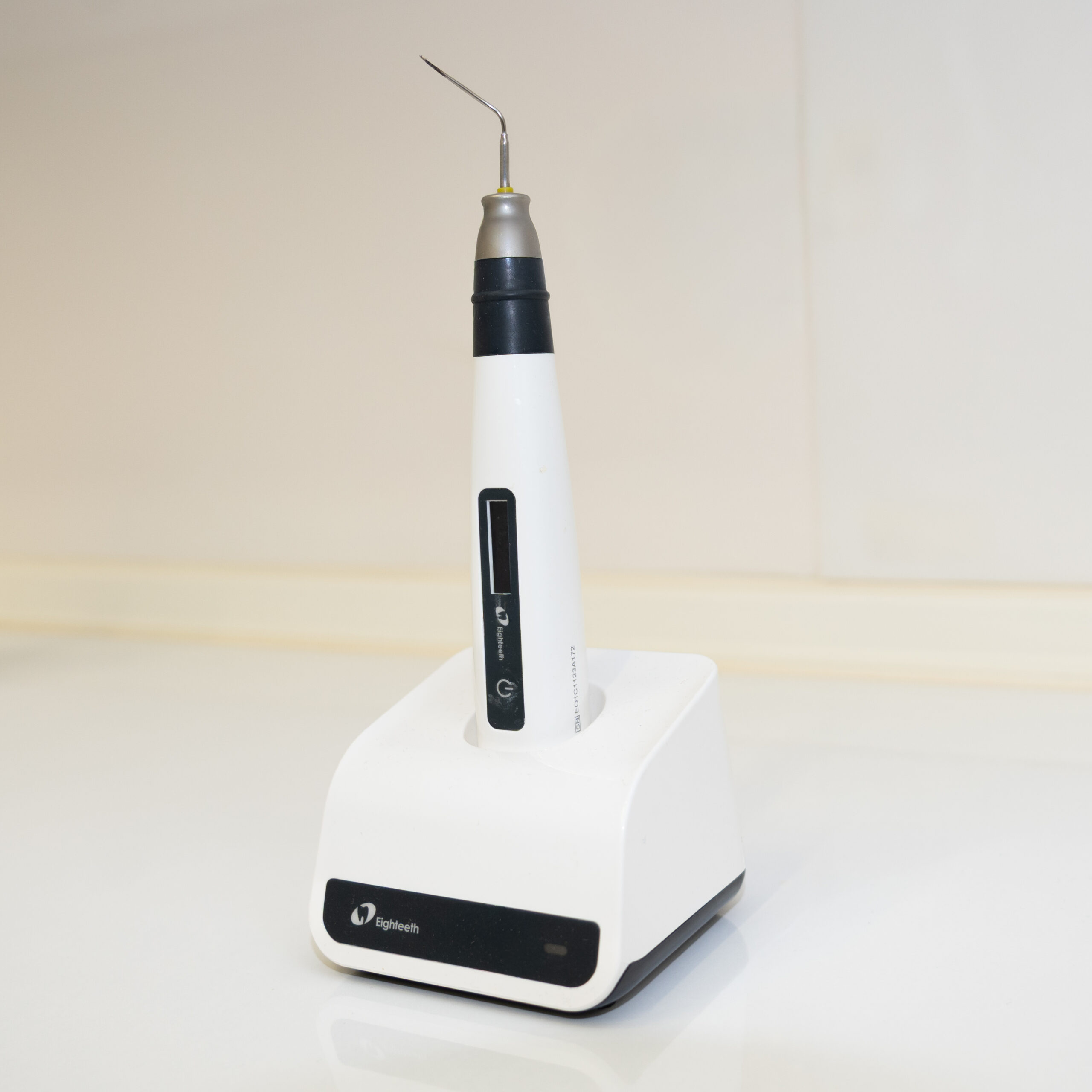
The apex locator is used in root canal treatment. It is a device that determines the length of the tooth root. By using this device, the endodontist can electronically measure the length of the tooth root and therefore reduces the number of X-rays required to complete the treatment. - Rotary files / instruments for root canal therapy
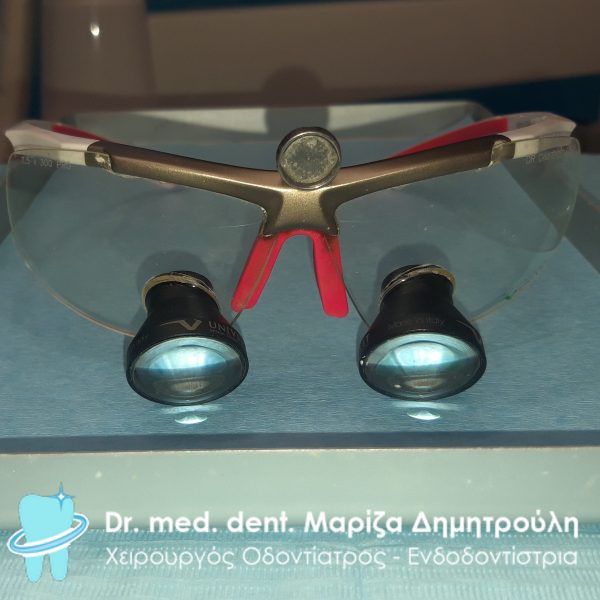
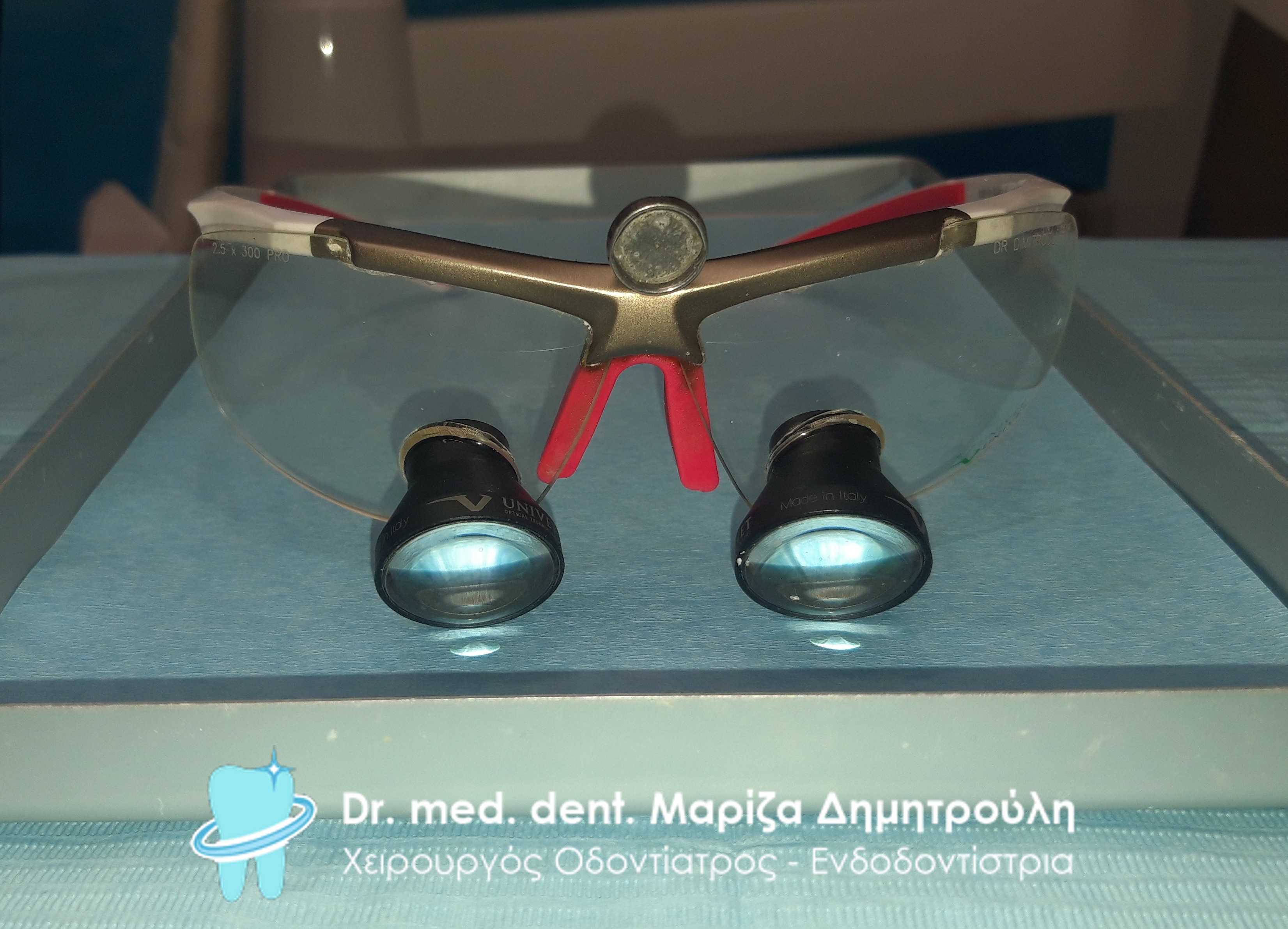
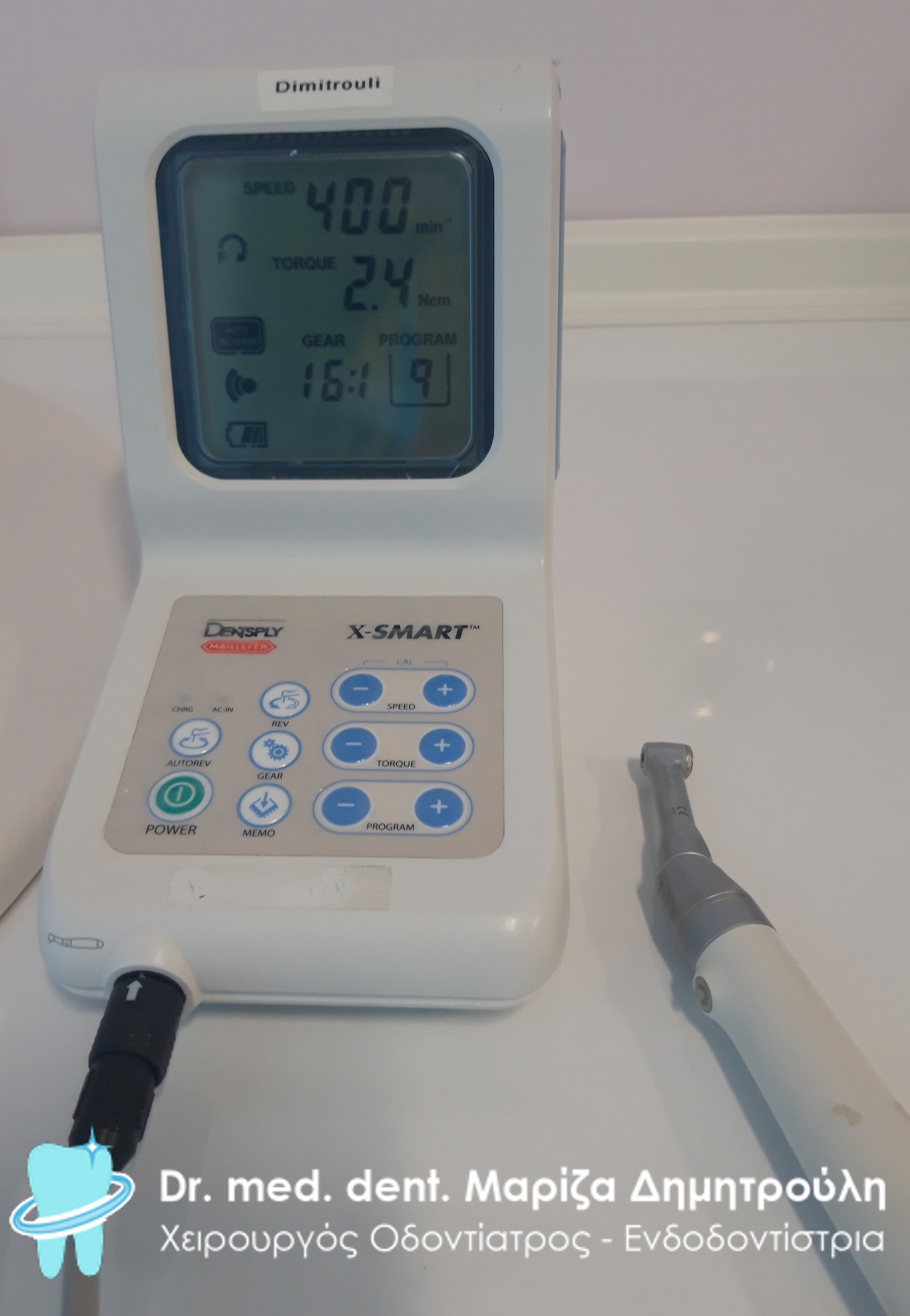
This is a device that accepts special rotary files/instruments that mechanically clean the inner walls of the tooth root with rotating movements. The use of these instruments ensures the rapid and effective removal of bacteria and their products from the inner walls of the tooth roots. In this way, the total working time for a root canal therapy is reduced and successful removal of bacteria from the root canals is ensured. - Special magnifying glasses (loupes). By using these glasses, the dentist can see the patient’s mouth with magnification so that they can diagnose, treat and correct every detail concerning the patient’s teeth.
Clinic sterilization
The A and Z in a dental office is the observance of strict hygiene standards in order to prevent the transmission of disease from one patient to another.
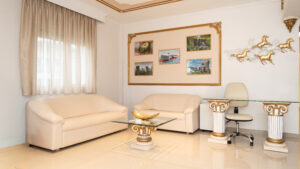
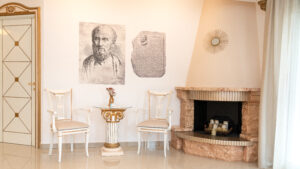
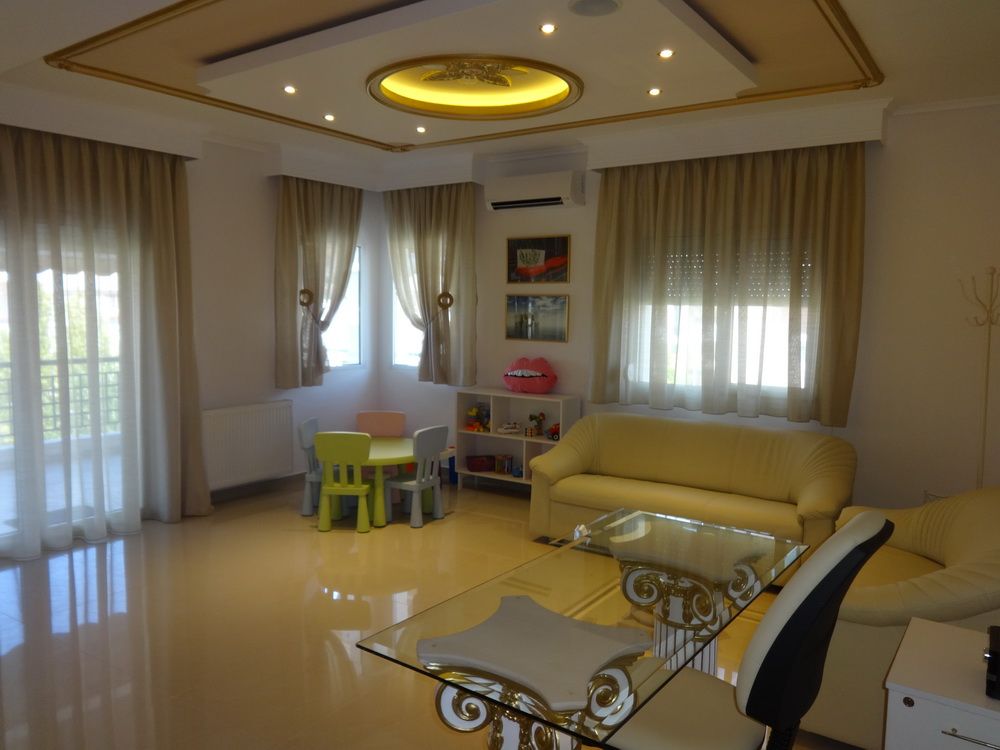
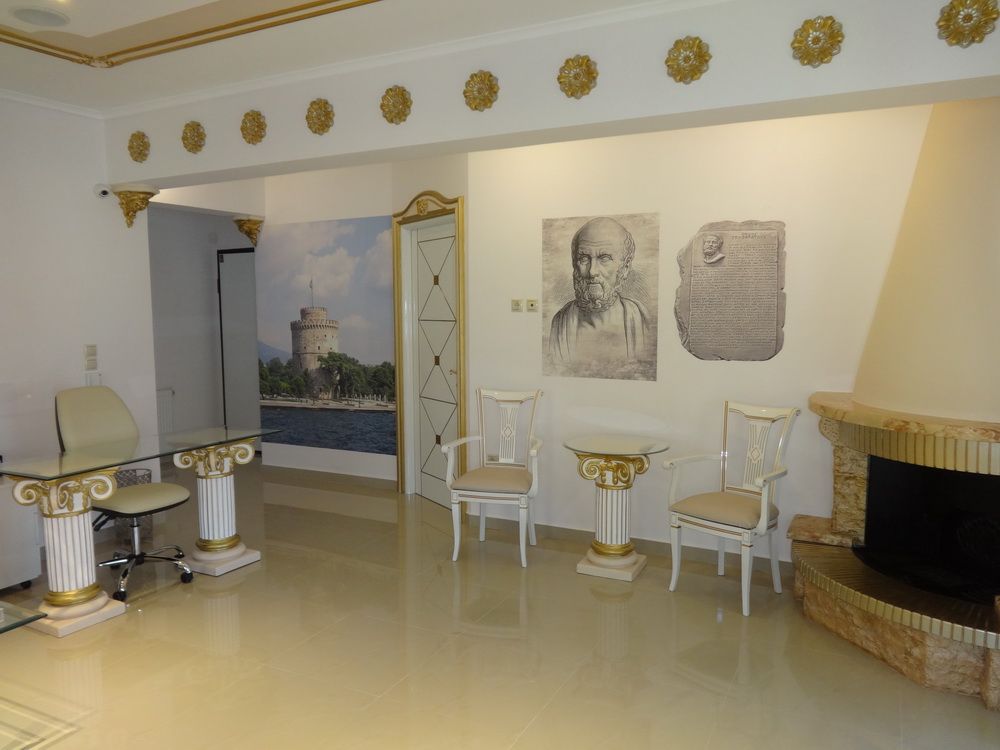
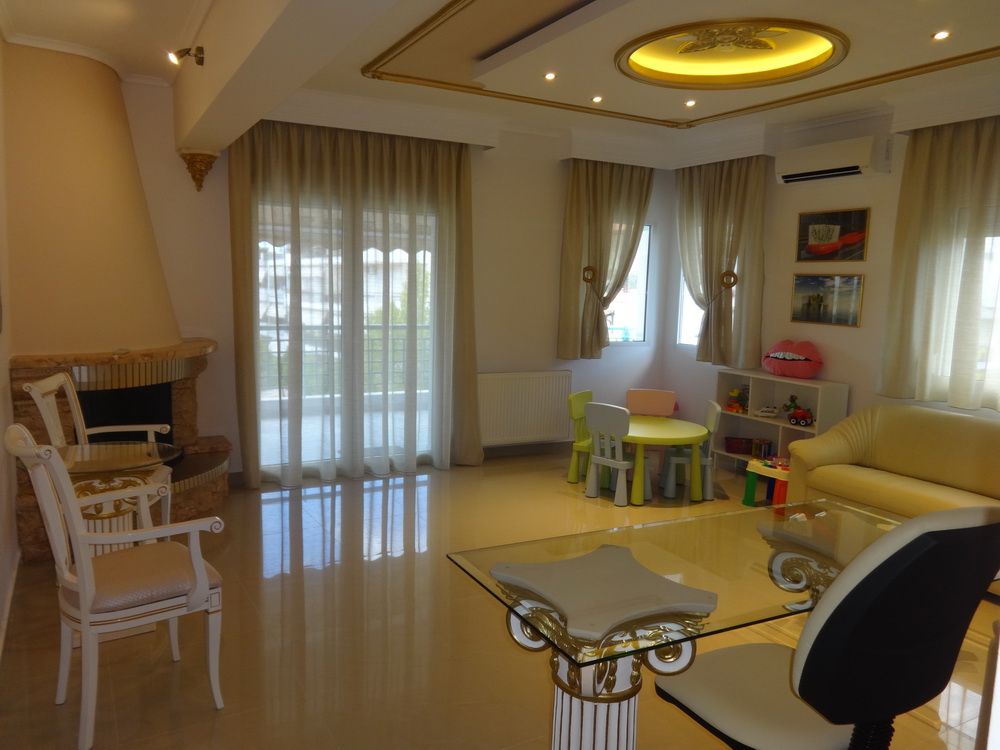
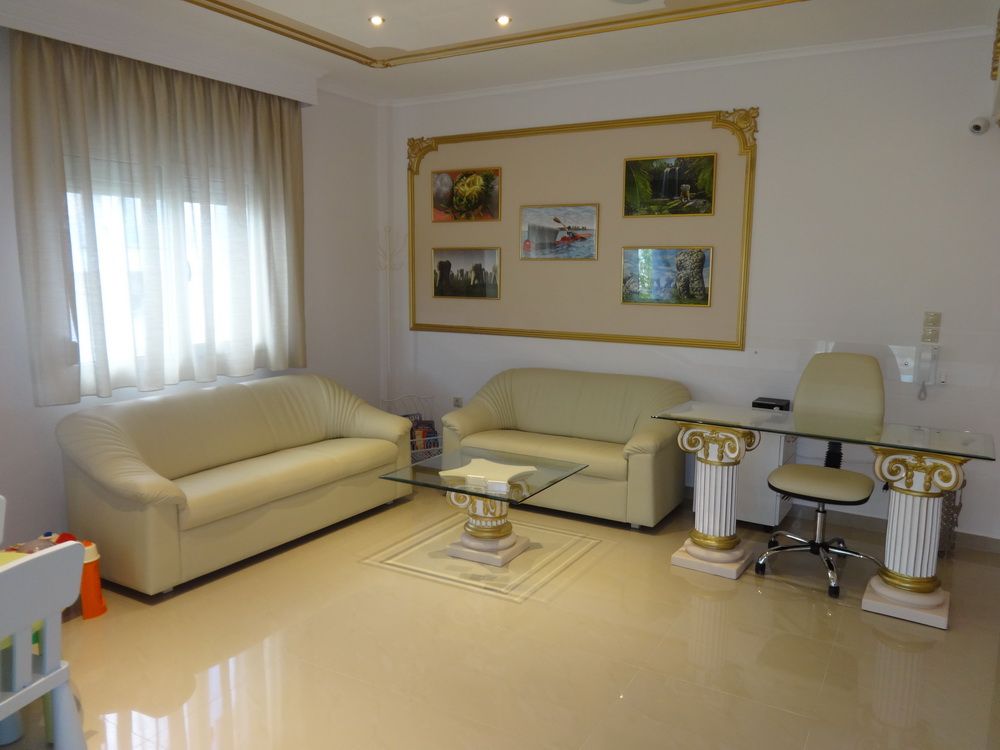
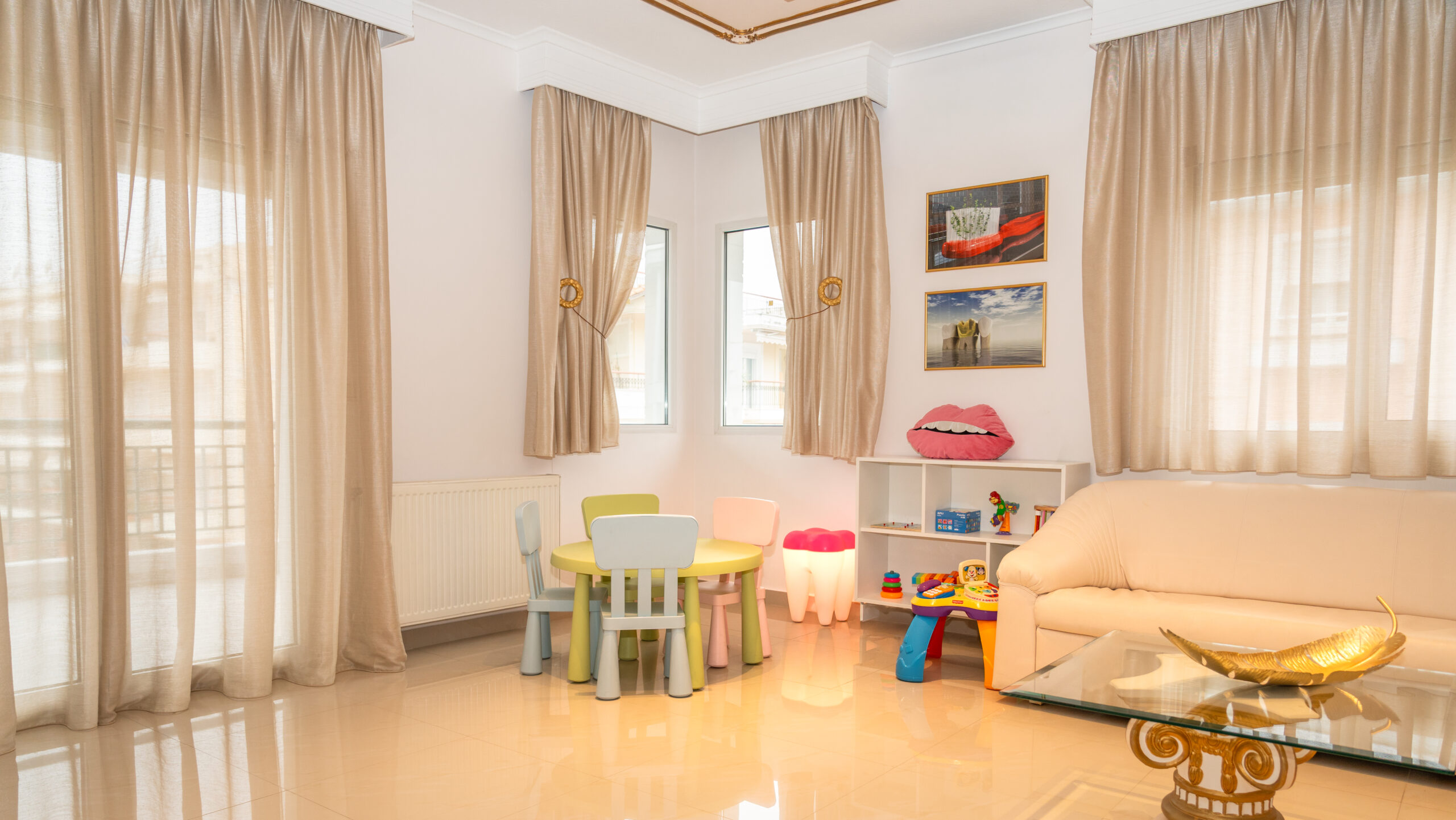
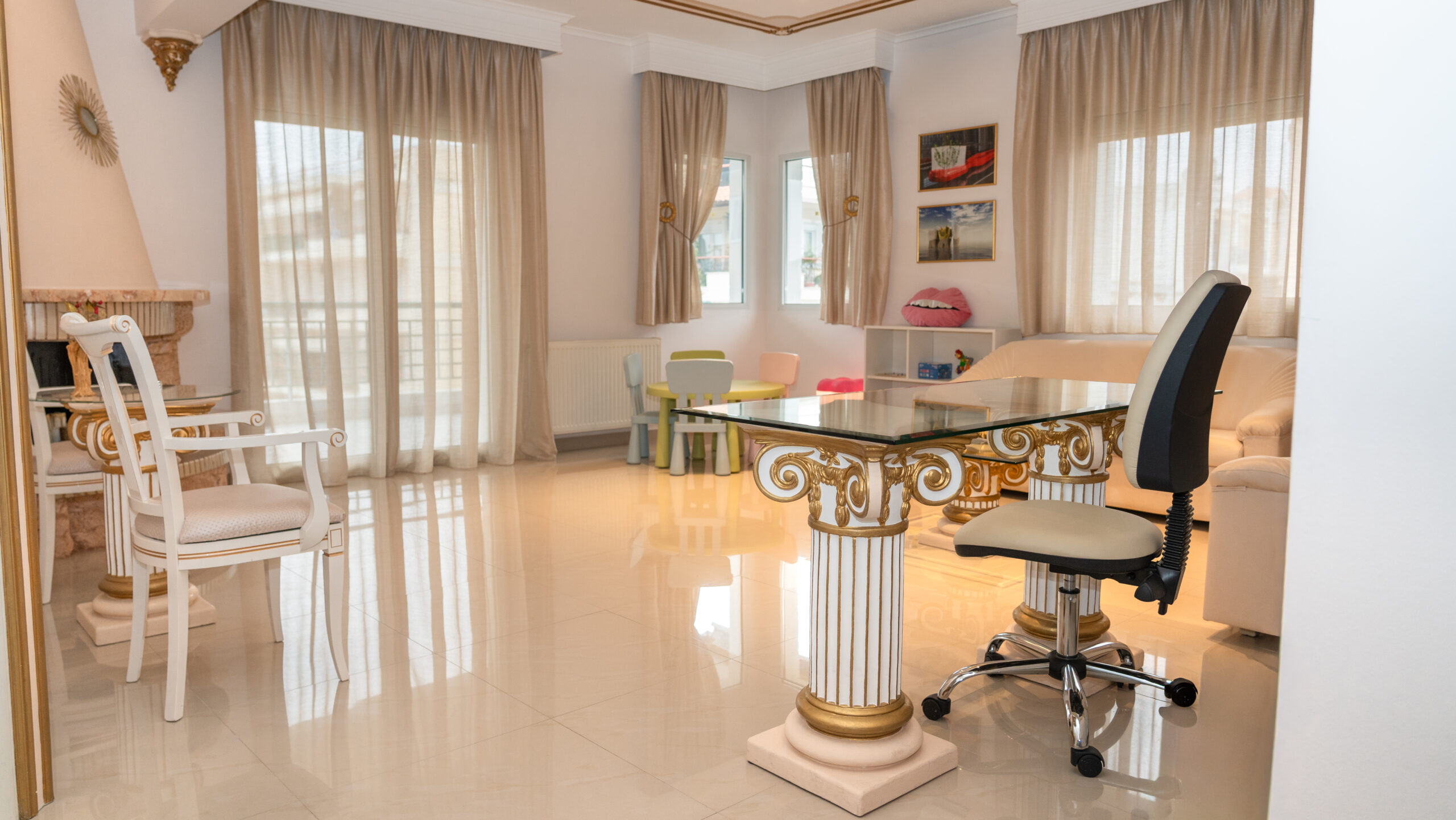
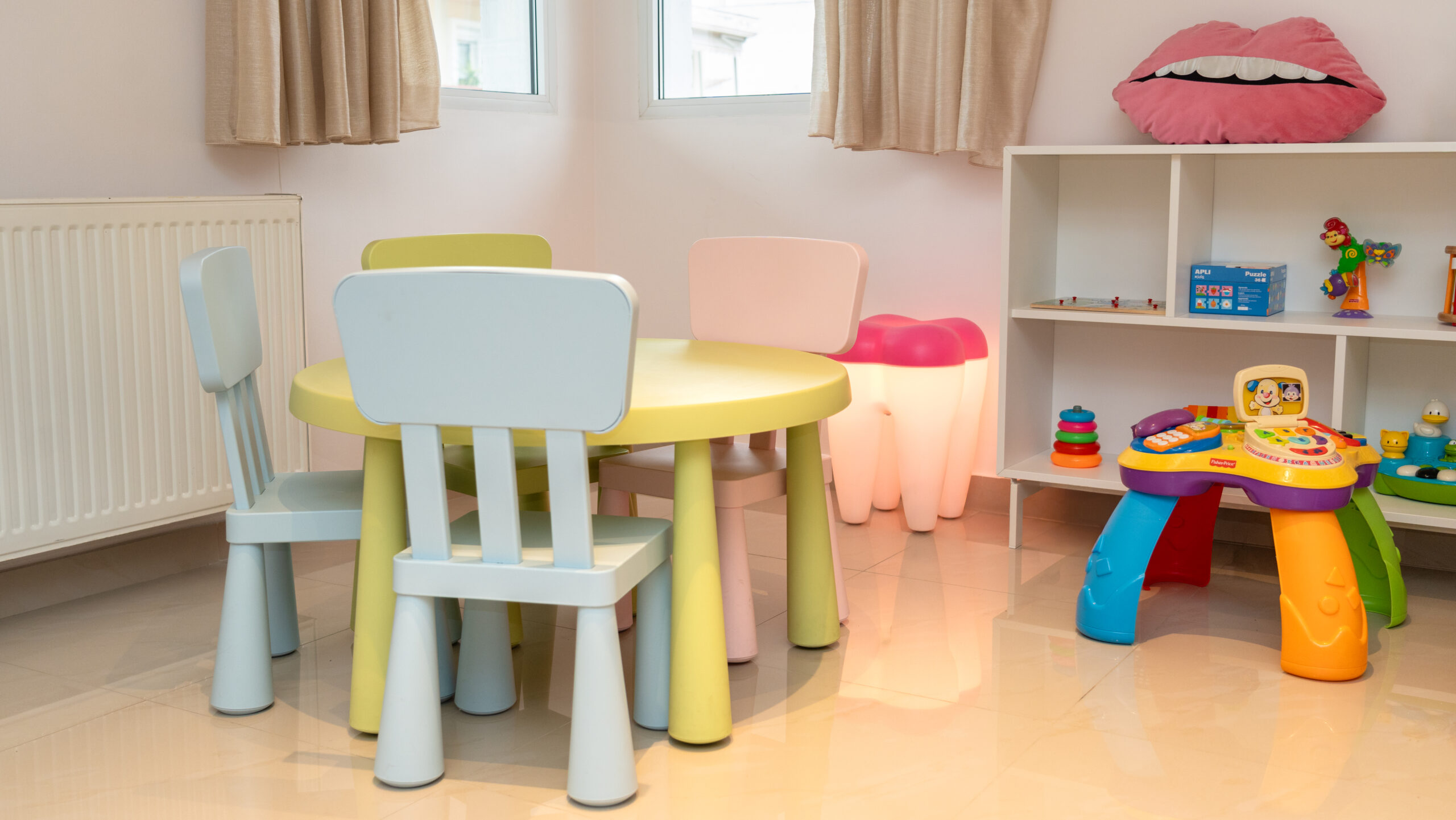
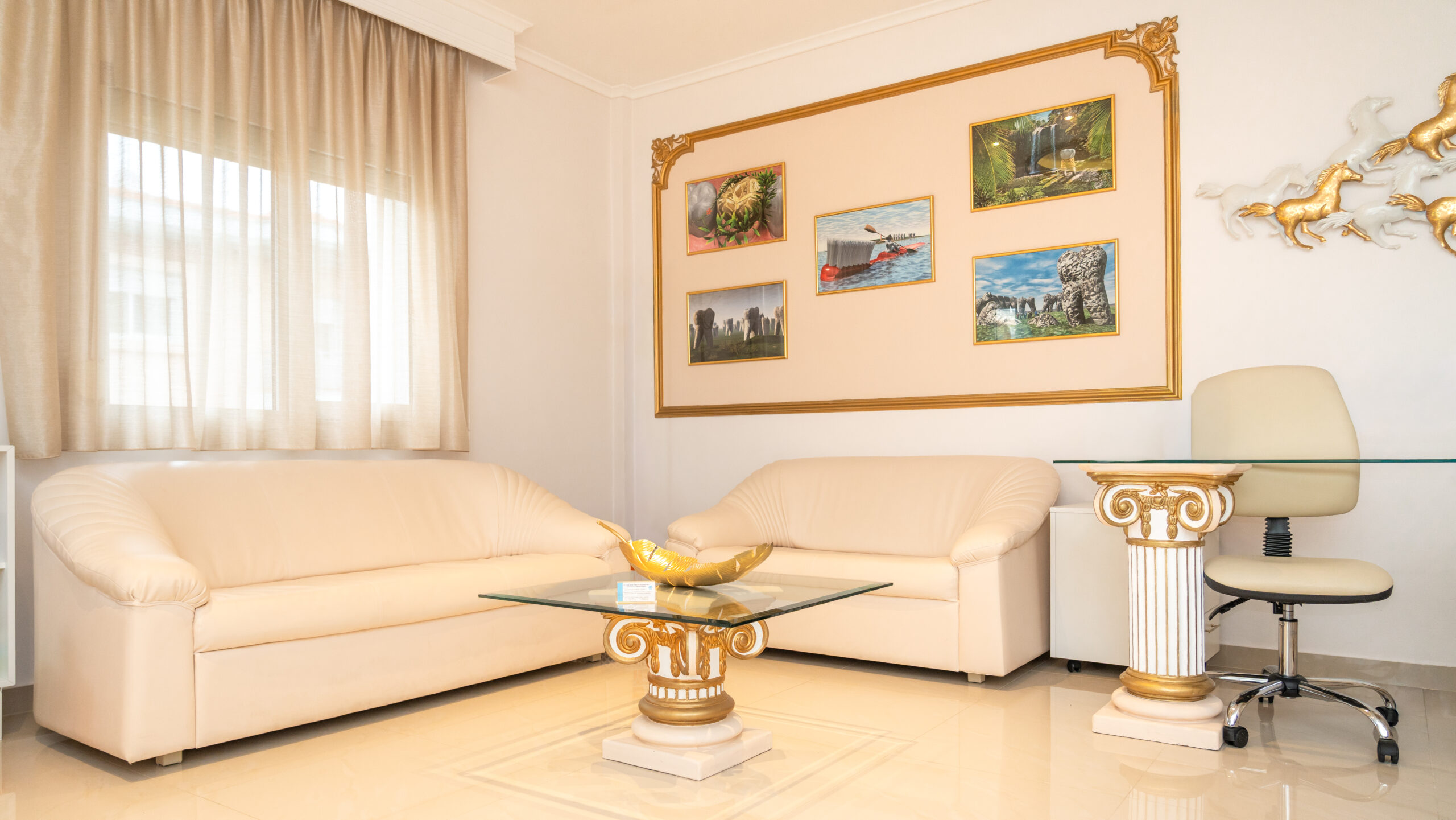
The first and most important area is the patient waiting area, which should be pleasant, clean and ventilated at regular intervals so that the atmosphere is refreshed and the patients’ air is not trapped, which is often the worst means of transmitting diseases and germs. The floors and surfaces surrounding the waiting area must also be clean and cleaned with appropriate detergents. Especially when children are waiting in the waiting area! Children’s toys in the doctor’s lounge are also cleaned at regular intervals, while stuffed animals are avoided, which often retain saliva and bacteria from child to child.
Regarding the adult treatment room, specific protocols for disinfection of dental equipment and sterilization of dental instruments are followed.
First of all, each patient is examined with disposable latex or vinyl gloves, in case the patient has a latex allergy. During the examination, disposable glasses, saliva ejectors, anesthetic solutions and needles are used, so that infections are not transmitted between patients. After the end of the dental treatment and once all disposable materials have been removed, all the equipment of the dental machine and the work surfaces are disinfected with special disinfectant solutions. With the same solutions, all the bottles and materials that were used during the treatment of the previous patient are cleaned, so that the doctor does not touch the dirty / used materials with the clean gloves of the next patient. The process is completed by ventilating the room. After the above actions, the treatment room is ready to receive the next patient.
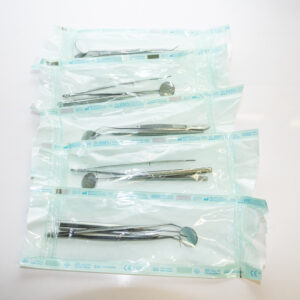
Regarding the disinfection and sterilization of dental instruments, a specific protocol is followed. After each dental treatment, the instruments are placed in a special bath with a disinfection solution. In this bath, the instruments will remain for a specific time with the purpose of eliminating and destroying bacteria. They are then rinsed, washed again and dried with absorbent paper.


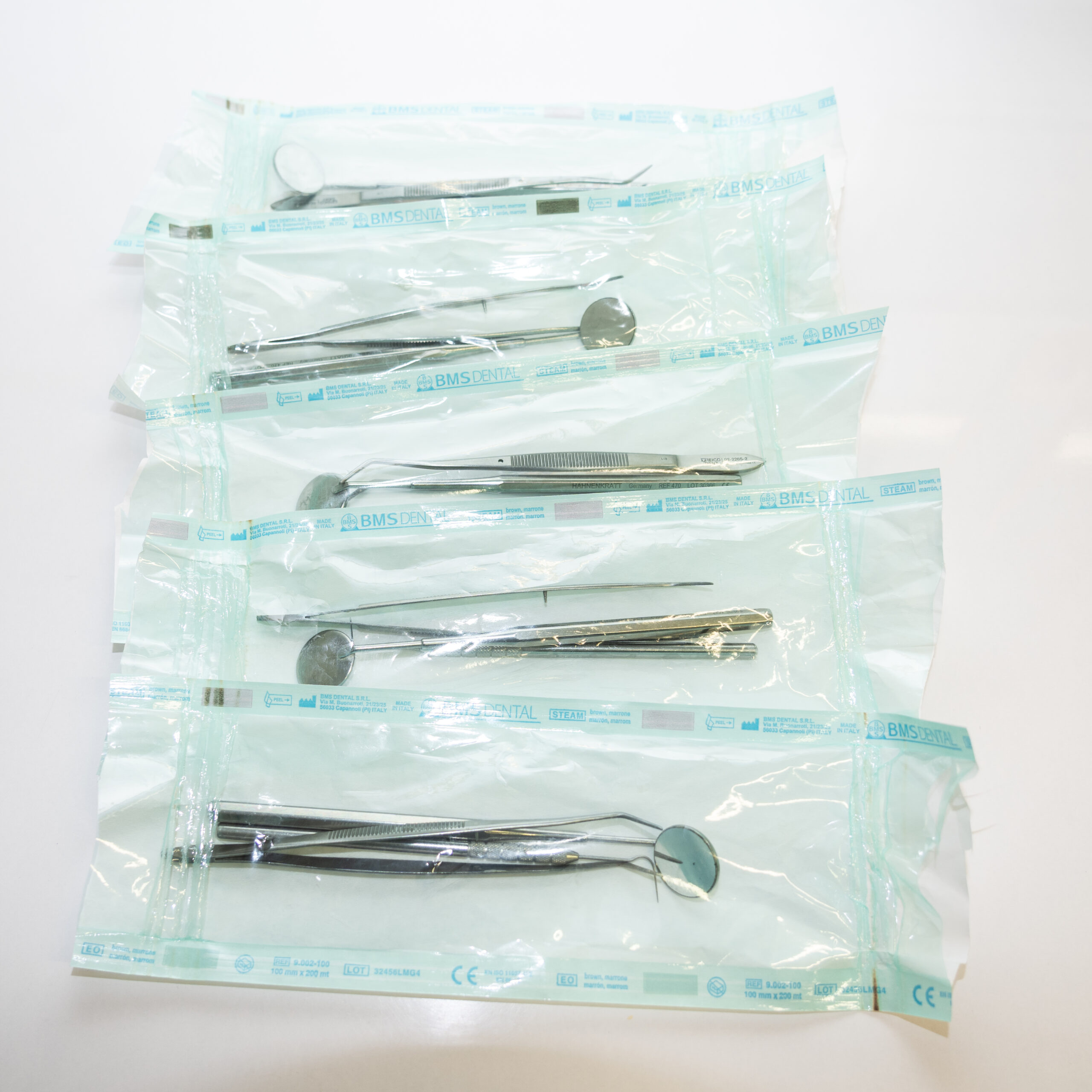
Then they are placed in a special sterilization package and placed in an autoclave for a specific period of time in order to sterilize the instruments completely. The instruments are kept in the sterile package until the dental treatment begins, when they will be opened in the presence of the patient.
Widget After Content

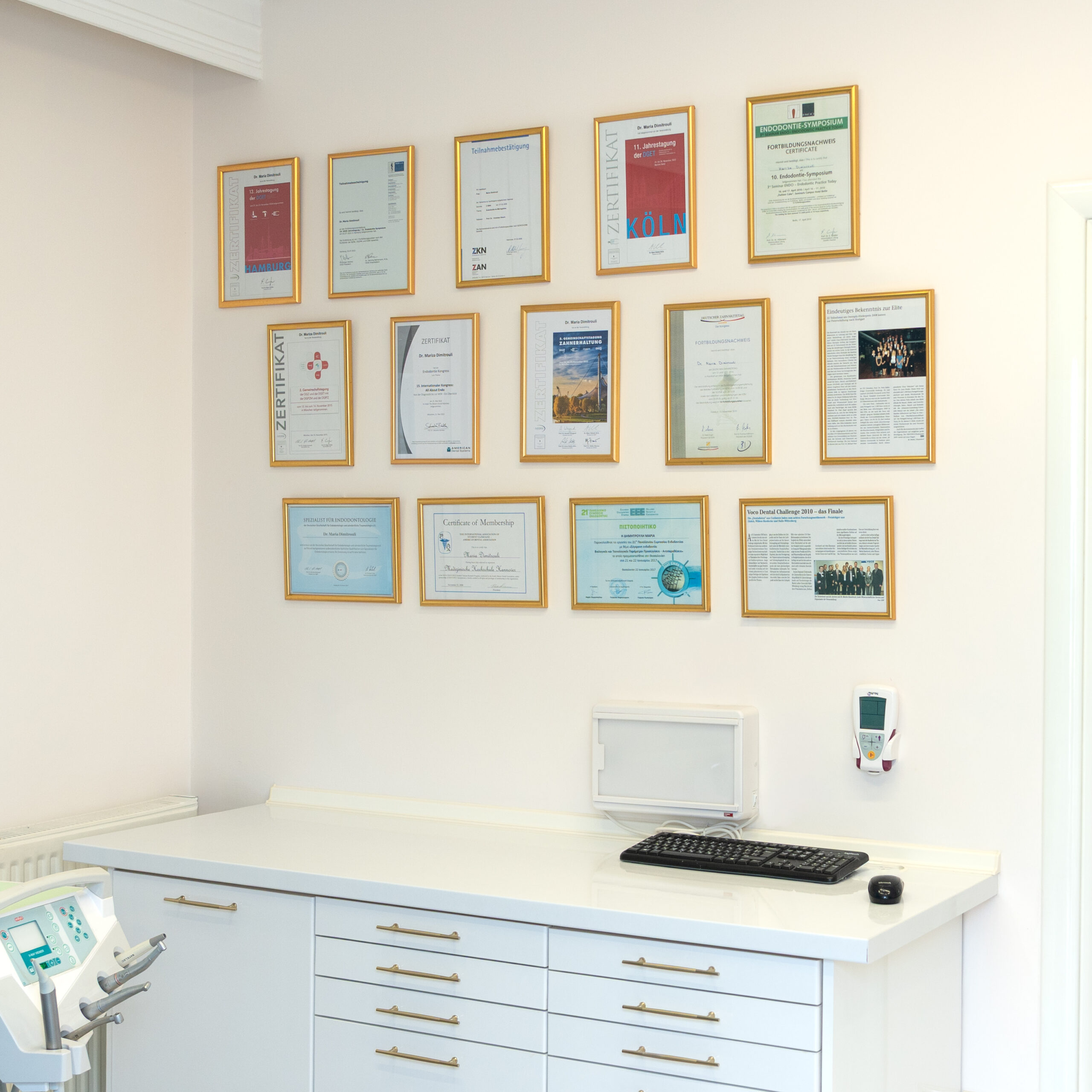
Dr. med. dent. Mariza Dimitrouli
Dr. med. dent. Mariza Dimitrouli is a specialist at the University of Hannover, Germany (MHI) and also holds a PhD from the same university. She also worked in a dental clinic in Berlin. The title of Endodontist held by Dr. M. Dimitrouli is renewed every six years by the German Endodontics Society. She has a private practice in Thessaloniki, Thermi.